


The Back to School season is a premier retail opportunity driven by families seeking value, convenience, and trusted brands.
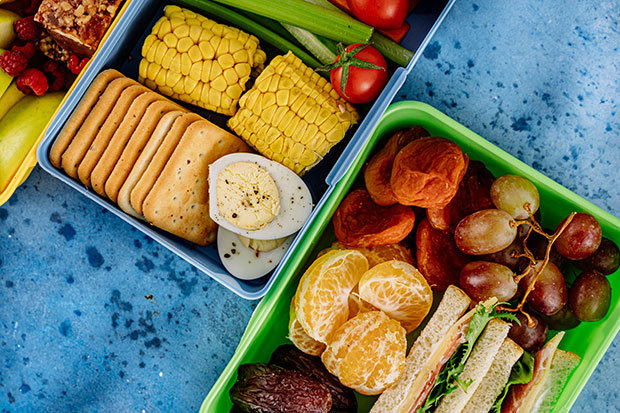
To maximise incremental sales, wholesalers and convenience retailers must balance core products with well-chosen New Product Development (NPD).
This strategy is highly effective, as a Mondelez BRCR survey indicates that 72% of stores find NPD drives incremental sales, and 69% see growth when new items are stocked alongside the core range.
Susan Nash, Trade Communications Manager at Mondelez International, highlights the importance of strategic product placement during this busy period: “Retailers can further maximise Back to School sales by positioning lunchbox staples and portable snacks in high-traffic areas, using secondary sitings near drinks, meal deals and food-to-go fixtures, and using clear value messaging to help shoppers make quick decisions.”
Cheese snacking and healthier biscuits are pivotal categories for these high-traffic displays. Dairylea—the UK’s No. 2 cheese brand and No. 1 snacking kit brand with a 67.6% market share (Nielsen, L12W w/e 27/12/25)—remains a vital household anchor. Its core range is growing, with Dairylea Dunkers up 3% and Lunchers up 7% in value year-on-year (Nielsen, MAT w/e 27/12/25).
Concurrently, on-the-go missions within healthier biscuits have risen 6% year-on-year (Kantar, 12 w/e 12/03/24). This makes new, non-HFSS formats highly appealing to health-conscious parents. NPD releases like Dairylea Snackers with Strawberry Fruit Bites and belVita Honey and Chocolate Chip Minis (featuring chocolate, the category’s No. 1 flavour per BelVita data w/e 01/02/25) perfectly bridge this demand for nutrition and ease.
Nash concludes on how retailers can successfully capture this seasonal demand: “Ultimately, back to school is about convenience, value and reassurance. The opportunity lies in combining the right core range with strong promotions and relevant innovation.”
The Back to School season presents a major opportunity for retailers to cater to busy parents seeking convenience, value, and simplicity. Amidst a cost-of-living crisis, shoppers are increasingly prioritising ambient multipacks for bulk-buying efficiency. According to Nielsen CPS data (52 w/e 27th Dec ’25), Biscoff® is now a staple in over 7.4 million UK homes, driven by household favourites like its original biscuit and spreads—which sold over 60 million jars globally last year.
Jo Agnew, Marketing Director at Biscoff UK, emphasises that familiarity is key to capturing these time-strapped shoppers during the seasonal rush: “To capitalise on the Back to School season, retailers must ensure they are stocked up with trusted brand names as busy parents will naturally gravitate towards these products as they know this is something their child will enjoy.”
Retailers must also adapt to changing lunchbox trends, such as “bento-style” lunches where multiple snacks replace traditional larger meals. This shift heightens demand for versatile, portion-controlled items like the Biscoff® 16x2pk Snackpack and convenient on-the-go formats like Biscoff® and Go.
However, navigating the grocery aisles can be overwhelming for families facing strict school ingredient policies and health targets. Agnew advises that the best way for retailers to optimise the category is through highly visible, organised merchandising: “Every year when the back-to-school season hits, it gets more challenging for parents to create their child’s lunches. Retailers must ensure they keep shopping as simple as possible for parents. Lunchbox essentials should be placed together, so parents can quickly see all their options in front of them and ‘school safe’ (aka nut free and vegan) products should be easily identifiable.”
By grouping core lunchbox essentials and clearly signposting school-safe choices, stores can directly alleviate parental stress and successfully convert seasonal footfall into incremental sales.
The Back to School season places bread at the heart of home-prepared packed lunches, creating a significant opportunity for retailers to drive incremental sales. According to data from NIQ, Brioche Pasquier has cemented its position as a household favourite, ranking as one of the top 10 best-selling brands in the UK with a +14% year-on-year growth.
Duncan Chappell, National Retail Sales Manager at Brioche Pasquier, emphasises that simplicity is crucial for capturing busy shoppers during this frantic seasonal transition: “To capitalise on the Back to School season, retailers should prioritise convenience. This time of year is always chaotic for busy parents as they readjust to the school routine and retailers should ensure that assembling lunchboxes is as simple as possible.”
A major shift in consumer habits is the demand for clean-label products. Research from a 2026 Vypr panel reveals that the term “sourdough” resonates with nearly 82% of consumers, who link it to authenticity and healthier choices. To align with this trend, Brioche Pasquier is updating its packaging from August 2026 to feature the term “sourdough” regarding its traditional Levain culture. Brioche Pasquier market research from March 2026 confirms it is the only brioche brand with sourdough in the UK long-life packaged bakery market.
To maximise this trend alongside the growing popularity of individually wrapped snacks—such as Brioche Pasquier Pancakes and their new blueberry PITCH variant—Chappell advises retailers to focus on high-impact, strategic product placement: “To maximise sales, back-to-school products should be placed in prominent locations, such as near the tills or by the store’s entrance, reminding shoppers that now is the best time to stock up in preparation for the new school year.”
The Back to School period serves as a critical retail window where families re-establish household routines and intensely scrutinise their shopping habits. Retailers should focus on categories that streamline busy schedules—specifically breakfast, lunchbox, and after-school snacking. Yoghurt is a premier category for these missions due to its inherent versatility and nutritional profile.
Greg Brady, Brand Manager at Onken, notes that this seasonal transition acts as a catalyst for shoppers to re-evaluate their pantry staples: “Back to Routine periods are also a chance for families to question their usual choices and reassess what they are buying. Having a range that meets changing attitudes towards health and nutrition can help retailers capitalise on this increased consideration.”
A major driver behind this consumer reassessment is a heightened awareness of ultra-processed foods (UPFs) and label transparency, amplified by social media parenting influencers and label-scanning apps like Yuka and Ivy. Parents are actively seeking out products with recognisable ingredients and clear benefits.
This trend directly underpins the success of Onken KiddOs, a whole-milk, low-sugar children’s yoghurt with added Vitamin D. According to brand performance data, Onken KiddOs increased its Retail Sales Value (RSV) by 53.4% in the 12 weeks following the January Back to School period (12 weeks w/e 28.03.26), remarkably achieving this growth with no increase in Weighted Distribution.
To capture this demand and convert footfall into larger basket sizes, Brady advises retailers to move away from traditional, static shelf layouts: “The yoghurt category is uniquely positioned to support multiple daily eating occasions. Retailers should think beyond the fixture and consider how yoghurt can be incorporated into broader breakfast, lunchbox and snacking solutions.”
By implementing cross-merchandising, secondary displays, and clear, occasion-led destinations, stores can help time-poor parents shop efficiently while maximising incremental category sales.
The Back to School period places immense pressure on education caterers to balance tightening budgets with strict nutritional standards. As schools prepare for the return to routine, bakery remains a foundation of the lunchtime menu. Finsbury Food Group, through its dedicated foodservice brand Kara, plays a massive role in meeting this demand, currently producing over 1.2 million bread rolls per day to supply national wholesalers and schools.
Liam Stringfellow, Brand Marketing Manager at Finsbury Food Group, emphasises that the company’s core mission is centred on tailoring bakery innovation to the needs of young learners: “As a specialist bakery manufacturer, we’re always going to champion bread when it comes to healthy options for children’s lunchboxes. For us, it’s about providing the right bread for the next generation. We know how important nutrition is in supporting children’s learning, concentration and long-term health.”
Fibre is a crucial component of this nutritional focus. To directly support school food standards, Finsbury has invested heavily in targeted New Product Development (NPD). A prime example is their High Fibre Bun, which delivers 6g of fibre per 100g—effectively double the minimum standard required for UK schools. Alongside healthier alternatives, Kara’s best-selling plain burger bun and sliced bread ranges continue to dominate because they offer versatile, vegan-friendly bases for hot and cold school meals.
Looking ahead, Stringfellow highlights how practical formatting and active industry engagement will drive the brand’s performance throughout the academic year: “We also have the capability to provide frozen bakery items which offers a number of practical benefits that are particularly valuable in education settings. These products provide extended shelf life, lock in bakery-fresh quality and help reduce waste through convenient thaw-and-serve formats.”
To support these efforts, Finsbury showcased its compliant education staples, including a new high-fibre, low-salt 3-inch slider bun, at The School Food Show (LACA) on July 7th and 8th, 2026.
The Back to School season places a premium on lunchbox categories that blend health with convenience. As a cornerstone of the packed lunch, baked goods are under increasing parental scrutiny amid the ongoing ultra-processed foods (UPFs) debate. Research from IGD ShopperVista indicates that 64% of shoppers are actively trying to minimise UPFs, with 44% recognising ingredients to identify them and 31% focusing on total ingredient counts.
Jason Geary, Master Baker at Jason’s Sourdough, highlights how these shifting consumer expectations are altering what families look for in everyday staples: “This has supported rising demand, from parents, for innovation in functional bakery, particularly for high protein and fibre breads and rolls that offer added nutritional benefits. More broadly, treating bread and rolls as a functional part of a balanced lunch rather than just a carrier helps retailers better meet evolving consumer expectations around health, convenience, and familiarity during the Back to School season.”
In response to this trend, parents are shifting toward products like Jason’s Every Day White Rolls, which combine sourdough authenticity with clean formulations free of artificial preservatives. This consumer trust has propelled Jason’s Sourdough to become the UK’s number one sourdough brand and third largest bread brand, supported by a £36 million production facility investment in 2025. Sandalone performers, The Great White and White Ciabattin, generated over 52 million loaf sales in 2025 alone. Innovation also continues to drive growth; following the 2025 launch of Proper Sourdough Crumpets, the brand is expanding the range with Crumpet Thins in July 2026.
To maximise these seasonal sales, Geary advises retailers to prioritise point-of-sale communication and structured shelf layouts: “To maximise sales within the lunchbox and Back to School category, retailers should focus on clear on-shelf education and guidance that helps shoppers quickly understand the benefits of different products. Highlighting key attributes such as health credentials, ingredient quality, and suitability for packed lunches can help steer purchase decisions at the point of sale.”
Backed by a major marketing campaign launching during the back-to-school trading window, clear cross-category merchandising will remain vital for capturing time-poor families.
The Back to School season provides a key opportunity for retailers as family routines reset in September, driving sharp demand for convenience, nutrition, and taste. According to market data from IRI and Kantar, total cheese snacking is up +13.9% in value and +14.1% in units, with kids’ snacks rising +9.2% in value and +11.4% in units (12w/e May 2026). In this expanding category, Strings & Things outpaces competitors, representing +26.5% of the market (52 w/e May 2026) and posting growth of +26.2% in value and +28.5% in units.
Sarah Davies, Head of Core Brands & Business at Kinisla, highlights why cheese snacks have become an essential component of the weekly shop: “Retailers should prioritise cheese snacking across both planned lunchbox, after-school and impulse food-to-go, because it offers families a convenient way to add real dairy, natural protein and calcium into everyday routines, while giving children a snack that still feels fun.”
A significant consumer trend driving this market is the rise in snacking frequency among younger consumers (Mintel, 2024), alongside a broader shift toward “natural wellness,” with 50% of shoppers seeking smaller, smarter, high-impact snacks (Innova, 2025). This aligns with the success of products like the Cheestrings Twin Pack, which Dunnhumby data identifies as the number one rate-of-sale dairy snack in the meal deal sector (26w/e Oct 2025). Furthermore, innovative, non-fatiguing formats like Munch Mix emerged as the most successful kids’ cheese snacking NPD of 2025.
To maximise seasonal category growth, Davies advises retailers to lean on strong visual brand assets and structured in-store displays: “Retailers should look to make the most of back-to-school moments by harnessing the visual identities of popular brands – for example, the iconic purple of Cheestrings – to help shoppers identify core lines quickly.”
The Back to School season positions bagged snacks as a vital, high-frequency category for convenience retailers. As families return to busy routines, these products serve as lunchbox staples and immediate after-school top-up snacks. According to Lumina Intelligence data to Q1 2025, bagged snacks appear in one in five convenience baskets—almost twice as many as confectionery.
Stuart Graham, Head of Convenience and Impulse (C&I) and Value Channel at KP Snacks, highlights the strategic commercial weight of the category: “Bagged Snacks is a scaleable, priority category with strong consumer appeal and household penetration, appearing in 1 in 5 convenience shopping baskets, almost twice as many as confectionery.”
With health high on the parental agenda, recognisable household names offer families a lighter option without sacrificing taste. A premier example is POM-BEAR, which contains fewer than 100 calories per pack and is consumed by 5.7 million households annually (Kantar WPO 25.01.20). NielsenIQ data (MAT 18.04.26) reveals the brand is worth £40 million in Retail Sales Value (RSV) and is growing at +12.2% year-on-year. Retailers are advised to stock these “free-from” ranges to foster customer loyalty.
Concurrently, value remains a key driver for seasonal impulse purchases, particularly through Price-Marked Packs (PMPs). Brands like Space Raiders blend value and nostalgia, representing a classic choice for after-school snacking. Worth £21 million (NielsenIQ, MAT 18.04.26), Space Raiders single packs are available in 50p formats, which rank as the UK’s number one singles PMP (Nielsen EPOS, 52 we 19.04.25). Graham notes that aligning price and format to these shifting household dynamics is central to capturing the seasonal rush: “Our mission is to deliver the right products at the right price points to meet consumer needs and support sales growth for our retail partners.”
The Back to School season provides a premier opportunity for the fruit snacking category, driven by heightened public awareness surrounding ultra-processed foods (UPFs) and HFSS legislation. According to NielsenIQ data (52 w/e 18.04.2026), adult and kids’ fruit snacking has combined into a category worth £518 million in retail sales, growing at +10% year-on-year.
Stephanie Armstrong, BEAR Marketing Manager, emphasises that this growth extends well beyond traditional school lunchboxes: “Lunchbox-style eating isn’t just for little ones – more adults are planning ahead too, whether they’re meal prepping for the working week, packing snacks to avoid higher-spend impulse purchases, looking for a sweet fix after a sandwich, or a boost to beat the afternoon slump.”
This dual-generational appeal is evident in the brand’s performance metrics. Dunnhumby data (May 2026) indicates BEAR is gaining significant traction among young adults and parents alongside its core school-age demographic. Furthermore, the BEAR Fruit adult range is outperforming the broader market, with value up +14.4% and unit volumes climbing +21.4% (NIQ, w/e 21 March 2026).
With only 18% of UK children meeting their recommended 5-a-day (Truth Agency, 2024), the brand leverages engaging formats like BEAR Strawberry Yoyos—which account for 52% of total brand sales (NielsenIQ, 52 w/e 18/04/26)—alongside collectable cards to make fruit consumption appealing. To address inflationary pressures, BEAR introduced 9-pack formats for its bestsellers, catering to a +11.7% year-on-year market growth in larger pack configurations.
Armstrong advises retailers to optimise their store layouts to effectively convert this high consumer demand into sales during the seasonal rush: “To become the go-to destination for parents during the Back to School season, retailers need to think like busy parents, making it as quick and convenient as possible to pick up all the lunchbox essentials in one stop – especially when kids are in tow.”
The Back to School season places a strong focus on products that offer value, convenience, and nutritional substance. Driven by a widespread demand for sustained fullness and satiety, the meat snacks category has doubled in value over the past five years to exceed £335 million, with one in five UK households now actively seeking out protein-rich options.
Shaun Whelan, Head of Convenience at Jack Link’s, highlights that parents are prioritising authentic, functional nutrition as they navigate the busy return to school: “Unlike many protein formats that rely on fortification or processing, meat snacks deliver naturally complete protein. Animal-based protein digests more slowly, supports sustained fullness and appetite control and provides all nine essential amino acids in one source.”
This desire for simple, recognisable ingredients makes real meat snacks a powerful tool for independent retailers looking to capture lunchbox, after-school, and food-to-go shopping missions. Formats like Peperami Lunchbox Minis and core 5-packs remain staples for family meal planning, while singles are thriving within front-of-store meal deals. To inject further energy into the category for the 2026 back-to-school period, Peperami has launched a collaborative BBQ Sweet Tang range with Doritos, spanning three distinct formats and backed by a £3.5 million multi-channel media campaign.
To effectively convert this seasonal interest into higher basket spend, Whelan stresses the absolute necessity of strategic, visible merchandising: “Visibility, availability and simplicity are critical. Retailers should make sure bestselling lines are always available and easy to shop. Merchandising products alongside sandwiches, lunchbox staples, soft drinks and meal deal fixtures can help drive linked purchases and increase basket spend.”
By block-merchandising trusted brands at eye level and utilising secondary sitings in high-traffic chillers, retailers can eliminate confusion and maximise seasonal impulse sales.
The Back to School season signals a major opportunity for healthier beverages as families navigate a persistent cost-of-living crisis. In the UK carbonated market—valued at £10.5 billion in 2025 (Kantar Profiles/Mintel, 2026)—consumer interest is shifting heavily toward drinks that combine wellness, environmental values, and economic value.
Chris Sanders, Sales & Marketing Director of Radnor Hills, emphasises that modern shopper motivations focus strictly on balancing nutrition with physical value: “Our research showed that consumers want healthy hydration, great taste and, because we’re still very much in a cost-of-living crisis, excellent value for money.”
Radnor Hills has met this demand through aggressive, multi-tiered category innovation. NielsenIQ RMS data (52 w/e 21/03/2026) highlights the brand’s immense dominance in Great Britain’s grocery multiples, growing at +44.2%—outpacing the overall grocery flavoured water category (+13.2%) and more than quadrupling the performance of the market leader (+6.0%).
This growth has been propelled by a series of targeted 2026 launches. In January, the brand introduced Radnor Spring, a low-calorie sparkling juicy drink enriched with B vitamins aimed at older teenagers. To maximise retailer profit margins, Radnor Spring was rolled out in £1 price-marked packs (PMPs) in March, securing a 100% listing update. Concurrently, the brand’s school-compliant, HFSS-exempt portfolio was expanded via Radnor Hydrate and a major licensing collaboration with Disney for its Radnor Fruits 200ml Tetra Pak cartons, selling 1.2 million individual units between October 2025 and March 2026.
Sanders identifies these reliable, licensed brand investments as the foundational growth engine for the kids’ lunchbox category: “We’re seeing branded and licensing products like this really fuelling the growth of the category and parents are looking for products that they can trust and that their kids will enjoy.”
The Back to School season places a strong emphasis on healthier snacking as families establish new everyday routines. In a highly competitive market driven by health-conscious consumer preferences, parents are actively looking for simple, nutritious options that do not compromise on taste or convenience. This has heightened demand for functional foods that offer clear nutritional value while remaining highly appealing to children.
Caroline Buggisch, Product Marketing Manager at RM Curtis, highlights the precise balance parents look for when making purchasing decisions for the school year: “With the rise in health-conscious dining, consumers are actively seeking nutritious choices. For parents and carers, this means balancing healthy options with flavour-led food likely to appeal to children. Functional food is particularly popular.”
To capture this seasonal demand, Buggisch advises retailers to prioritise wholesome, naturally sweet items like natural fruits. RM Curtis addresses this need through its school-compliant Funtime Fruits range, which includes Soft Dried Apricots, Sultana & Raisins (25g snack bags), and individual Raisin boxes (14g). These products offer simple, recognisable ingredients that are compatible with vegan and gluten-free diets, meeting parents’ nutritional expectations. To assist busy shoppers, the brand uses bold visual cues on its packaging, such as a prominent red banner declaring products to be “High in Fibre.”
To maximise category growth and increase average basket spend, Buggisch suggests that retailers adopt creative, structured promotional strategies: “Retailers can capitalise on the Back to School occasion by creating value-driven deals to help parents and carers feel they’re getting good value for money. This could be lunchbox themed – e.g a packet of sandwich fillers, five snacks, and five drinks for £X to last the week.”
By utilising cross-category, value-driven bundles, convenience stores can alleviate shopping stress for time-poor families while successfully driving incremental volume throughout the trading period.
The Back to School season represents an essential window for retailers to optimise their beverage categories, which can frequently be overshadowed by traditional food staples. Families are actively looking for a balanced product mix that satisfies children’s flavour preferences while strictly meeting parents’ nutrition and value expectations.
Andy Lewis, Marketing Controller at Sunmagic Juices, highlights this critical gap in seasonal planning: “When considering a Back to School offering, many retailers focus on lunchbox staples and snacks, with drinks sometimes being overlooked. Retailers should look to bolster their drinks range ahead of this opportunity, prioritising lunchbox compatible options that align with parent and carer nutrition expectations.”
To successfully capture this demand, Sunmagic emphasises the importance of stocking pure, functional options alongside permissible treats. The brand’s 200ml Apple and Orange juice cartons are crafted from 100% pure juice from concentrate with zero added sugar, providing a healthier alternative to standard juice drinks. For more indulgent occasions, the Funtime Milks range offers a calcium-rich “Friday treat” in Chocolate, Banana, and Strawberry flavours. Free from artificial colours or preservatives, these cartons contain 110 calories or fewer, providing controlled portions that prevent overindulgence.
Lewis notes that maintaining a diverse yet highly focused flavour portfolio is key to building consumer trust over time:
“To successfully capitalise on the Back to School occasion, retailers should ensure their range is broad, but not overwhelming. Having multiple flavour options of the same product is a good way to increase diversity while building brand familiarity.”
This strategy is reinforced by transparent, budget-friendly pricing structures. Sunmagic’s Funtime Milks cardboard cartons are positioned as price-marked packs (PMPs) at 39p each or multi-buy deals of 3 for £1. These highly visible value mechanics encourage volume shopping among budget-conscious parents, allowing independent retailers to maximise seasonal basket sizes and secure reliable repeat custom.
The breakfast occasion remains a cornerstone of the daily routine for UK households, with total breakfast occasions rising by 56 million over the last year to reach 20.24 billion (Kantar Usage, 52 w/e 23rd March 2025). As families re-establish their schedules, the cereal aisle presents a major growth window for retailers.
Lorraine Rothwell, Director of Brand Marketing at Weetabix, notes that consumer expectations at the breakfast table are becoming more sophisticated: “The opportunity is clear, but the way people approach breakfast is shifting. It’s no longer just about routine; it’s about health, enjoyment, and increasingly, cultural relevance.”
To capitalise on this, Weetabix is driving engagement through purpose-led marketing and digital activations, such as its Weetabix All-Stars athlete campaign and an interactive Roblox partnership designed to foster healthy breakfast habits in younger audiences through play.
The brand’s core portfolio continues to demonstrate exceptional market strength. Weetabix Original maintains its status as the UK’s number one branded cereal, with value up 4.7% and volume up 3.8% (Nielsen, 52w/e total convenience 30th November 24). Crucially, household penetration has risen for the first time since 2020. Meanwhile, the more playful Weetabix Crispy Minis range has grown into a £33 million brand (Nielsen, 12 w/e 11 Nov 24), anchored by successful HFSS-compliant, high-fibre innovation like the new Caramelised Biscuit SKU, which generated over £1 million within 17 weeks of launch (NielsenIQ, data to 17.05.25).
Rothwell attributes the breakthrough of this sweet yet nutritious variant to its ability to balance permissible indulgence with wholesome ingredients:
“Whilst there is a notable shift towards ’healthy’ breakfasts, Caramelised Biscuit has been so successful because it delivers on flavour, yet is still HFSS compliant, high in fibre and made with wholegrain wheat. There’s definitely a space within breakfast for fun yet nutrient dense cereals.”
The upcoming Back to School season presents a prime opportunity for retailers to maximise dairy sales, driven by an increasing consumer focus on protein, fortification, and functional health. Amid a pressing child health crisis where nearly a quarter of UK children are overweight or obese by age five (UCL, 2024), parents are increasingly seeking out nutritious, portable lunchbox solutions.
Grant Yates, Sales Director at Yoplait, emphasises that nutritional anxiety heavily influences parental purchasing decisions ahead of the new school term: “Our 2025 survey which explored parents’ concerns around providing their kids with nutritious food, revealed that more than half (58%) of parents worry their kids aren’t getting the essential nutrients they need, especially when it comes to calcium and vitamin D – two vitamins crucial for healthy bone development.”
This demand for functional benefits has solidified Yoplait’s strong performance, with the manufacturer holding a dominant 42.5% market share of the total kids’ yoghurt category (NielsenIQ, MAT 21.02.26). Brand performance is anchored by Petits Filous, which is worth over £46.3 million, and its top-selling Peppa Pig Strawberry SKU, worth over £8.4 million. Portable convenience options are also thriving; Wildlife Choobs leads the portable segment at £32.7 million with 3.4% growth, while the newly refreshed Frubes range holds the number two spot at £22.6 million (NielsenIQ, MAT 21.02.26).
Yates advises independent retailers that there is still a significant £12.8 million growth headroom waiting to be unlocked within the grocery channel by prioritising space for health-led products: “For retailers, the opportunity lies in ranging products that meet these evolving health and lifestyle needs while clearly signposting benefits in fixture.”
To maximise basket spend, Yates recommends that stores build a balanced, mission-led fixture that groups tubes, small pots, and drinks together in high-footfall chillers near sandwiches and meal deal stations to drive profitable, healthy impulse swaps. ‘ ‘
Comments are closed.