


New stats show the psychological toll of abuse, with knock-on effects on staff confidence, wellbeing and performance
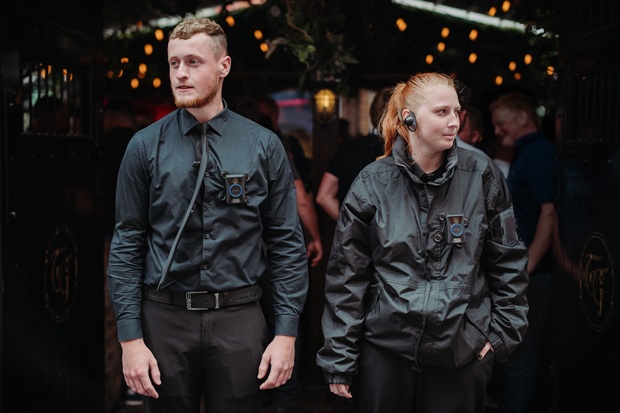 More than four in five (86%) frontline workers in the UK say customer abuse has caused them stress or anxiety. That’s according to new research from HALOS, a body-worn camera company. The findings suggest the impact often lasts far beyond the incident itself, following them home, disrupting their sleep and changing the way they interact with customers.
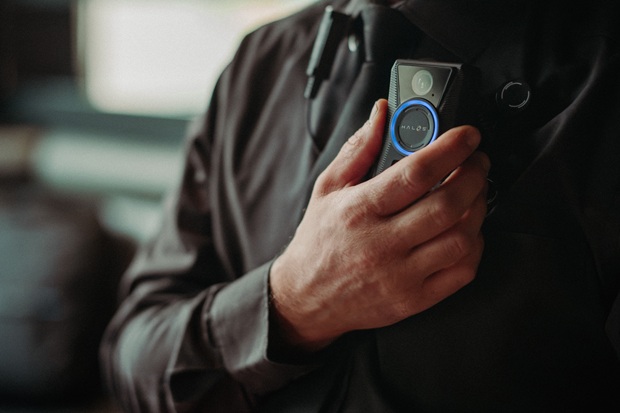 The research of 1,000 UK frontline workers reveals that the pressure is starting before the working day even begins. Four in five (79%) say they feel anxious before starting a shift due to the possibility of facing aggressive customers, suggesting many begin the day already expecting confrontation.
During the working day itself, those in public-facing roles say that incidents can be hard to shake off. Among those who have faced customer abuse in the last 12 months, more than two in five (42%) agree that they struggle to “reset” or to continue as normal after such an encounter.
And often, the impact doesn’t end when their shift does. For those frontline workers who have experienced abuse in the last 12 months, a third (34%) say it has negatively affected their mental health. And an additional one in three (30%) say it has even disrupted their sleep.
Beyond wellbeing, that strain is also changing the way frontline workers do their jobs. Among those who have experienced customer abuse in the last year, almost three-quarters (75%) say it has knocked their confidence, while the majority (87%) say they have become more cautious or avoidant when dealing with customers.
When it comes to solutions, the research points to workers wanting visible protection and faster support when incidents escalate. More than half (55%) believe measures such as CCTV or body-worn cameras discourage abusive behaviour, while two in five (41%) say quicker access to backup would make the biggest difference to their safety and wellbeing.
Commenting on the findings, Alan Ring, CEO of HALOS, said: “For too many workers, the impact of customer abuse stays with them long after the moment has passed. Incidents can dent confidence, affect wellbeing, and even disrupt sleep. When that happens, it’s a warning sign that something isn’t working.
“Nobody should go into work bracing themselves for conflict, and no one should be left to manage alone when situations escalate. The support around workers matters. It shapes how safe they feel, how they approach customers, and how quickly they can recover.
“With workers stressed, anxious and running on little sleep, employers need preventative measures where possible, fast backup when things escalate, and proper care afterwards so they aren’t expected to carry on as if nothing happened. Because when that support isn’t there, it can affect performance, increase turnover and ultimately impact the customer experience.”
Comments are closed.