


Fuel storage at a grocery distribution site needs to fit the way the site operates, not simply the space available for a tank. Before installation, managers should assess fuel demand, vehicle routes and access for refuelling and maintenance. Once the system is in use, planned inspections, prompt attention to defects and documented site-specific reviews help keep it suitable as fleet movements, loading arrangements and warehouse activity change.
What should be checked before a tank is installed?
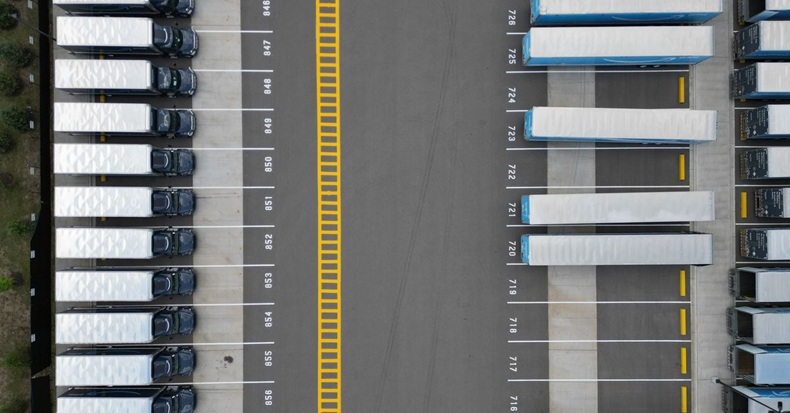
The starting point is the refuelling task. Managers need to establish which vehicles or equipment will use the fuel, when they will need it and how a delivery tanker will reach the storage area. Demand during busy dispatch periods may differ from an average working day. Mapping those patterns against the site plan is more useful than choosing a tank location solely because an unused corner of the yard appears convenient.
The proposed position should be considered alongside HGV routes, loading bays, pedestrian access, parked trailers and areas reserved for future changes. There must also be practical access to inspect the tank and associated equipment, receive fuel deliveries and carry out repairs. A position that accommodates routine refuelling but leaves little room for maintenance can create an avoidable problem later. The choice between a fixed or more flexible arrangement, and the specification of the tank and dispensing equipment, should reflect the fuel, intended use and conditions at that particular site. The Petrol Tank Company supplies static and mobile tank options, but the appropriate arrangement for a distribution site still depends on its own assessment. These questions are easiest to address before vehicle routes or groundworks are fixed.
How can refuelling access fit around a busy distribution fleet?
A refuelling point works best when drivers can approach, stop and leave without creating a conflict with loading or delivery movements. That requires a look at the vehicles that will actually use it: an HGV, a smaller delivery vehicle and a maintenance vehicle may need different turning space. Managers should observe the yard during a busy shift rather than relying only on a drawing. Queues at loading bays, trailers parked temporarily and pedestrians crossing between buildings can all change how usable an access route feels.
The dispensing position matters as much as the tank position. Hose reach, visibility, lighting and the place where a driver stands should be assessed within the wider traffic plan. Site procedures should make clear who may refuel, how problems are reported and what happens if the usual route is obstructed. When a warehouse expands, a loading bay changes use or a new fleet pattern is introduced, revisiting those arrangements is more sensible than assuming the original layout still works. The assessment should include both normal operations and foreseeable busy periods, so an access route that looks clear at a quiet time is not treated as suitable without considering actual vehicle movements.
How should inspection and maintenance be scheduled?
Managers should distinguish between routine observations by site staff and more detailed inspections by an appropriate specialist. The Petrol Tank Company provides fuel tank installation and repair services, alongside tank inspection support; involving a specialist when planning work can help ensure that access and the condition of the existing system are considered together. An inspection schedule should be based on the equipment, its condition and use, manufacturer information, previous findings and requirements relevant to the site, rather than an assumed universal interval.
Day-to-day checks can focus on changes staff are well placed to notice, such as visible damage, signs of a leak, deterioration around the tank or bund, and faults affecting pumps or hoses. Staff should have a straightforward way to record and escalate a concern without being expected to diagnose it. Formal inspection findings need an owner and a follow-up decision: whether the equipment can remain in use, what further assessment is needed and when action will be taken. Keeping that trail alongside maintenance records makes it easier to identify recurring faults and prevents an unresolved observation from disappearing between shifts. The schedule should be revisited when usage changes or inspection findings indicate that the previous approach needs review.
An inspection schedule should be based on the equipment, its condition and use, manufacturer information, previous findings and the requirements relevant to the site, rather than an assumed universal interval. Day-to-day checks can focus on changes that staff are well placed to notice, such as visible damage and signs of a leak, deterioration around the tank or bund, and faults affecting pumps or hoses. Staff should have a straightforward way to record and escalate a concern without being expected to diagnose it. Formal inspection findings need an owner and a follow-up decision: whether the equipment can remain in use, what further assessment is needed and when action will be taken. Keeping that trail alongside maintenance records makes it easier to identify recurring faults and prevents an unresolved observation from disappearing between shifts.
How can repairs be planned with less disruption to distribution operations?
Prompt reporting gives managers more room to make a considered decision. A damaged fitting discovered during an early vehicle check, for example, should be recorded and assessed before it becomes part of the normal refuelling routine. The first question is whether continued use is appropriate, not which maintenance slot is most convenient. Where a fault needs specialist attention, the site team should describe the symptoms clearly and share relevant inspection records so the work can be scoped without relying on guesswork.
Repair planning then becomes a coordination exercise across facilities, transport and warehouse teams. They can identify when the fuel area can be accessed, whether a tanker delivery or dispatch peak will conflict with the work, and which vehicle movements may need to be redirected. If refuelling will be unavailable, any alternative arrangement needs its own practical and safety review; it should not be improvised on the day. Managers should also allow for testing, handover and an update to site instructions before the system returns to routine use. This approach cannot remove every interruption, but it can reduce avoidable clashes between essential repairs and the movement of goods. Recording the decision, agreed access arrangements and any temporary operating changes gives all relevant teams a consistent reference.
What should a site-specific compliance review record?
A review record should explain the decisions behind the setup, not merely confirm that a form was completed. It can identify the fuel and equipment on site, show the tank and refuelling position on a current plan, and describe the vehicle and pedestrian movements considered. It should name the people responsible for operation, inspection and follow-up, and retain relevant assessment findings, inspection reports, defects, completed work and outstanding actions. Each open action needs a clear owner and a review point so that it remains visible during staff changes or contractor handovers.
The record should also show which requirements were considered for the particular fuel, installation and location. Fire and explosion risks and environmental protection considerations call for site-specific review rather than a standard answer applied to every distribution centre. A change in tank equipment, yard layout or refuelling pattern is a reason to revisit the assessment and the operating arrangements it supports. For a manager inheriting an established site, comparing the current plan with what happens during a busy shift is a practical first step. Any differences can then inform the next inspection, maintenance plan or specialist review, keeping the record connected to daily operations rather than filed away.
The record should also show which requirements were considered for the particular fuel, installation and location. Fire and explosion risks and environmental protection considerations call for site-specific review rather than a standard answer applied to every distribution centre. A change in tank equipment, yard layout or refuelling pattern is a reason to revisit the assessment and the operating arrangements it supports. For a manager inheriting an established site, comparing the current plan with what happens during a busy shift is a practical first step. Any differences can then inform the next inspection, maintenance plan or specialist review, keeping the record connected to daily operations rather than filed away.
Comments are closed.