


2025 Sustainability Report also highlights 94% recycle-ready packaging, major UK bakery investment and sourcing progress across wheat, cocoa, and palm oil
 pladis, the snacking company behind McVitie’s, GODIVA and Ülker, has secured validation of its science-based climate targets from the Science Based Targets initiative (SBTi) for the first time. The targets include a commitment to reduce Scope 3 emissions by 35% by 2034 from a 2023 baseline.
Scope 3 emissions – those generated across pladis’ value chain – account for 91% of the company’s carbon footprint. pladis has also committed to reaching net zero across its full value chain by 2050.
The targets are published today in pladis’ 2025 Sustainability Report, alongside Happy People, Happy Planet, its global sustainability strategy to 2030.
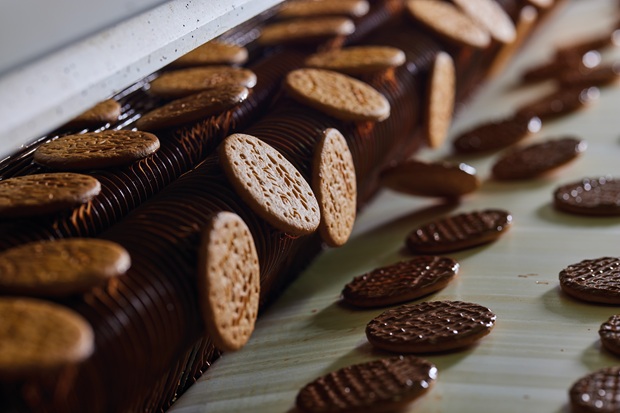
The report also details pladis’ £68 million multi-year investment in its UK bakery network. Projects within the programme – including new moulding lines and robotics and ovens at sites including Manchester and Aintree – are expected to cut emissions by around 876 tonnes of CO2e each year once complete.
Suzanne Westlake, Director of Sustainability at pladis, said:
“With 91% of our footprint sitting in Scope 3, meaningful progress depends on action across our entire value chain. Our validated targets and new strategy give the business a clear direction, while this report shows how we are translating that into practical action – from ingredients and packaging to investment in our bakeries.”
Packaging and sourcing progress across key brands and ingredients
By the end of 2025, 94% of plastic packaging used across pladis’ portfolio was recycle-ready. McVitie’s completed development and internal testing of recycle-ready packaging for 100% of its Digestives range during the year. Rollout began during 2025 and will continue across the remaining formats in 2026, replacing PET laminates that accounted for around 20% of the brand’s UK packaging at the start of 2025.
Ülker Kakao, part of pladis’ Ülker brand, switched from composite packaging to a recycle-ready single-material pouch, reducing plastic use by 18%. Separately, Sultana Yofruit moved to a single-material polypropylene wrapper to improve recyclability while strengthening pack performance.
pladis has also set a target to reduce virgin plastic use by 10% by 2030. It also trialled digital watermarking on Sultana packs in Belgium through the HolyGrail 2030 consortium, designed to help recycling facilities identify and sort packaging more accurately.
pladis also reported progress across key ingredients as part of its responsible sourcing work, including:
- Through its UK Back to Farm programme, pladis sourced more than 30,000 tonnes of wheat grown using regenerative practices from around 50 farmers in 2025, reducing emissions by 104kg of CO2e per tonne of flour compared the AHDB UK baseline (340kg of CO2e).
- Through Beyond Cocoa, delivered with the Earthworm Foundation, pladis provided mobile healthcare access to 2,440 cocoa farmers and their families in 2025. Six supplying cooperatives were also verified by the Earthworm Foundation as sourcing from deforestation-free areas.
- In 2025, 94% of the palm oil used to manufacture pladis products globally could be traced back to the mill where it was processed.
The full pladis 2025 Sustainability Report is available to download at https://www.pladisglobal.com/media-centre/McVitie%E2%80%99s-owner-pladis-secures-first-SBTi-validation-and-publishes-2025-Sustainability-Report
Comments are closed.