


The UK ice cream and frozen food sector is growing, driven by a combination of premiumisation, “cosy night in” trends, and innovation in health-conscious and exotic products.
Key factors fuelling this growth include increasing demand for premium ingredients and artisanal products, a rise in vegan/dairy-free alternatives, and the convenience of frozen foods.
Consumers are willing to pay more for higher-quality, indulgent products, including exotic flavours (matcha, ube, pistachio) and artisanal, small-batch options.
The shift toward entertaining at home, rather than eating out, has boosted sales of premium frozen desserts, pizza, and ice cream tubs.
There is strong demand for “free-from” products, including dairy-free, low-sugar, and high-protein, plant-based ice creams.
The convenience of frozen meals and the, often, lower cost of frozen goods compared to fresh alternatives, particularly during the cost-of-living crisis, has kept freezer, specifically, popular.
The popularity of handheld frozen treats and multipacks has seen significant growth in convenience stores and supermarkets.
2025 was a successful year for ice cream, where the category achieved a record increase in sales of 12.7% to £1.6 billion.
The Mars branded portfolio of ice creams shared this success, with sales performance growing in line by 11.2% to £51.5m (IRI).
Notably, the fastest growing channel for ice cream was convenience, outperforming the category average with an increase in sales of 16.5%.
For Mars, its growth in convenience outperformed the market consistently across both impulse and multipacks formats, growing by 19.5% and 17.7% retrospectively.
Kerry Cavanaugh, General Manager at Mars Drinks and Treats, says: “The strategy with our ice cream products has always been to focus on a core range of our most recognised confectionery brands. We know that our customers are drawn to that familiarity and can trust in the taste experience that they will enjoy with a Mars product.
“For convenience, we also want to ensure that we are offering a good mix of impulse products for the higher levels of on-the-go consumption seen in these stores, alongside multipacks, where we have seen sales grow substantially over the past four years as the consumer attitude towards ice cream consumption has developed.
“We know that ice cream is no longer reserved for those looking for a treat to cool down with during the summer months, but it is also the treat of choice for shoppers opting for nights in and group gatherings. With this in mind, along with the fantastic year on year performance we are seeing, we are encouraging retailers to ensure they have an all-year-round ice cream presence, offering a wide range across both impulse and multipacks.”
Following on from the successful introduction of Snickers White Ice Cream bar multipacks into the UK market in 2025, Galaxy Ice Cream and Mars Salted Caramel Ice Cream multipacks are launching in 2026.
Galaxy is the third most popular chocolate brand in the UK (Scantrack), which would suggest a significant appetite from consumers to enjoy the taste of Galaxy in an ice cream bar format in 2026.
Galaxy Ice Cream bar is a deliciously cool blend smooth vanilla ice cream, coated in delicious Galaxy milk chocolate, RSP £2.50.
Mars Salted Caramel Ice Cream Bars combine Mars flavour with a salted caramel kick, available in multipacks of six for RSP £3.50.
Zoe Isaacs, Brand Manager at Trü Frü, comments: “Alongside the established global brands, there are a growing number of alternative frozen options, such as Trü Frü, that are giving shoppers new ways to enjoy the freezer aisle.
“At Trü Frü we see ourselves as part of that shift. While we’re not a conventional ice cream – we believe the best indulgence starts with the best ingredients – real fruit picked ripe, flash-frozen to lock in both flavour and nutrition and covered in two different layers of delicious chocolate. This makes Trü Frü a snacking experience like no other as it gives consumers real indulgence and fulfils a permissible need.”
Research shows that Trü Frü over-indexes in two key areas, with shoppers saying it improves their mood and that it doesn’t make them feel guilty (Kantar). The products succeed at this by offering an alternative option for occasions where consumers want a sweet treat but in bite-sized amounts, and without sacrificing on taste or treat appeal.
Following its launch into the UK market in 2024, Trü Frü has fast become one of Mars’ biggest success stories. It quickly turned into a ‘viral’ craze, gaining millions of views on social media, and at times selling out across the country. As a result, Trü Frü’s sales grew 85% since 2024, which is seven times faster than the total ice cream category (IRI).
“Although the market is heavily consolidated, we know we need to connect with our existing and potential consumers in a creative way,” adds Isaacs. “Following our initial success on social media, we have continued to develop a social-first approach which truly puts consumers at the forefront. This approach has helped us communicate our brand messaging, showcase NPD and hear first-hand what our consumers think.”
Trü Frü is continuing the expansion of its frozen snacking range with the launch of Trü Frü Strawberries in White & Dark Chocolate.
The new variant uses fresh, juicy frozen strawberries, immersed in two layers of indulgent and deliciously silky white and dark chocolate. As the product is frozen, all the flavour and nutrition are locked in. With 83 calories per portion, Trü Frü’s range is gluten-free and made with no artificial colours, flavours or preservatives.
Isaacs adds: “We are so pleased to see such strong and continued success for the Trü Frü range. By expanding with this delicious new variant, we hope to give consumers real indulgence that fulfils a permissible need we know they are looking for in the frozen category.
“As a brand, our creativity comes from leading with a social first approach and truly putting consumers at the forefront. There has been strong demand for new Trü Frü flavours and we can’t wait to hear what people think of this new offering in our range.”
Birds Eye is expanding its high-performing Chicken Shop range with a new collaboration that taps directly into the UK’s appetite for bigger, bolder flavours. The brand has partnered with fast-rising flavour specialist Sauce Shop® to launch two new chicken wings products: Buffalo Hot and Honey BBQ Chipotle, each pairing Chicken Shop’s succulent wings with a dedicated Sauce Shop® sachet for at-home customisation. Demand for flavour-forward fakeaways continues to grow, especially among younger shoppers who want indulgent, customisable meals without the cost or wait of a delivery.
Research shows flavour is the top priority in a chicken fakeaway, with over half of 18-34 year olds mixing up what they choose and 40% saying new flavours make the occasion feel more special (The Mix).
Birds Eye’s Chicken Shop range is already well aligned to this behaviour, offering fast-cooking takeaway-style formats (including air fryer-friendly products), that suit the smaller group occasions that make up 74% of fakeaways (The Mix). The addition of Sauce Shop’s high-intensity, trend-driven sauces gives shoppers even more control by letting them dial up the heat, sweetness or smokiness to their preferred level, while recreating the flavour profiles dominating quick service restaurant menus and social media trends.
Birds Eye’s Chicken Shop is one of the most dynamic brands in frozen, delivering +28.8% value growth and +28% volume growth YOY (Nielsen) and recruiting new shoppers into frozen poultry +3.7% YOY (Kantar).
Sauce Shop® brings equally compelling category momentum. In a competitive sauces category, the brand has delivered +40.4% retail sales value growth with strong gains in hot-sauce and BBQ segments. Its Buffalo Hot Sauce, the brand’s top-selling sauce, is now the second largest Buffalo sauce in the market – and the biggest UK-made – growing +76% YOY (Nielsen).
Together, the two brands are creating a proposition that drives cross-category interest designed to strengthen trial, repeat and basket spend.
Claire Sutton, Marketing Director at Birds Eye comments: “Our Chicken Shop range has always been about bringing quick service restaurant style quality into the frozen fixture, and flavour sits at the heart of that.
Partnering with Sauce Shop®, one of the most exciting flavour brands in the UK, lets us bring the kind of sauces people obsess over online straight into the freezer aisle. These new Chicken Shop wings give consumers all the flavour, fun and flexibility they expect from a night-in without any compromise on taste.”
The range is available as Birds Eye Chicken Shop Buffalo Hot Chicken Wings 385g and Birds Eye Chicken Shop Honey & Chipotle BBQ Chicken Wings 385g.
Birds Eye is relaunching its iconic Fish Finger with the brand’s best recipe yet, following extensive consumer testing that showed a clear preference for the icon’s new, crunchier coating, forming the perfect balance between crumb and succulent, flaky 100% white fish fillet.
Rolling out across Birds Eye’s Breaded Omega 3, Cod and Haddock Fish Finger ranges, the new recipe comes with a bold new pack design created to stand out and capture attention in the freezer aisle.
With market leaders Birds Eye holding 57.5% share of the £192.3m (Nielsen) UK fish finger category, the recipe and pack design upgrade aims to bring even more shoppers into a category already loved by households across the country. To support the rollout, Birds Eye will launch a multi-million-pound marketing campaign across TV, out-of-home, social and in-store, celebrating the taste, versatility and quality that have made Birds Eye Fish Fingers a household staple for over 70 years.
At the heart of the upgrade are the simple ingredients used to make the fish fingers: starting with a block of frozen fish fillets, which are cut into the iconic fish finger rectangles. Each piece is then dipped in a flour-based batter, before being coated in Birds Eye’s unique baked breadcrumbs. The fingers are flash-fried to set the coating and then frozen immediately to lock in their quality, a process similar to how they might be made at home, just on a larger scale.
The Birds Eye fish finger portfolio gives households a choice of responsibly sourced fish options, each offering a tasty and nutritious addition to meals: Omega 3 (Alaska Pollock) Fish Fingers are a source of omega-3 and a natural source of protein, while Cod and Haddock Fish Fingers (also both a natural source of protein) each deliver the flaky texture and flavour that make them enduring favourites.
Sutton adds: “Birds Eye Fish Fingers have been part of British family life for generations because they consistently deliver on taste, quality, and convenience. This recipe refresh takes everything people love about our Fish Fingers and makes them even better. We’ve focused on creating the ultimate crunch while keeping the same succulent fish inside, giving shoppers the best fish finger experience possible.”
Rhea Agarwal, Director of Business Development for UK & Europe at Haldiram, comments: “The frozen food category is performing well, driven primarily by consumers looking for convenience without compromising on taste. Busy lifestyles mean shoppers want products that are easy to prepare, reliable, and enjoyable. Improvements in freezing technology have also helped ensure that frozen foods deliver consistent quality, which continues to build consumer trust in the category.”
Hybrid working has become far more normal, with more people spending time at home during the week. In addition, the current economic climate is encouraging consumers to eat at home more often rather than dine out. This has naturally increased demand for frozen foods that offer both value and convenience.
“Consumers are increasingly conscious about what they eat and are actively looking for healthier options,” adds Agarwal. “There is still a misconception that frozen foods contain preservatives and additives, and this is something the industry needs to address. Most of our frozen products do not contain preservatives, and freezing itself is a natural way of preserving food while retaining taste and quality.”
“Consumers are showing strong interest in authentic ethnic flavours, particularly products that offer restaurant-style taste at home. There is also growing demand for versatile products that can be used across multiple occasions, from quick meals to snacks and sharing platters. Trust in established brands and transparency around ingredients are becoming increasingly important in purchase decisions.”
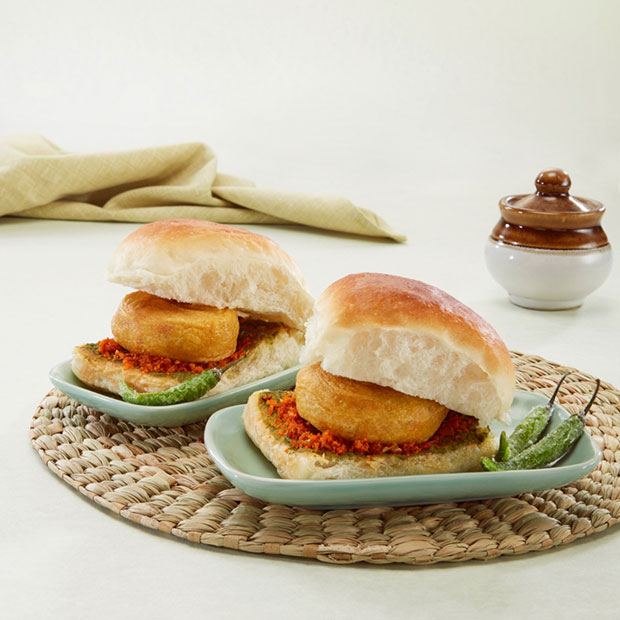
Haldiram’s Indian breads continue to perform extremely well, including naan and a wide range of paratha variants. Alongside this, frozen snacks such as aloo tikki, Punjabi samosas, and other traditional appetisers are strong sellers, driven by their authentic taste and ease of preparation.
Recently, Haldiram launched Malai Chum Chum in the chilled sweets category, which has been well received.
“Clear communication is key. Educating consumers about the quality, ingredients, and versatility of frozen foods can help grow the category overall. Strong navigation and clear signposting in-store also encourage shoppers to explore and trial new products,” says Agarwal.
Alex Stewart, CEO and Co-Founder at PACK’D, comments: “The future appears to be bright for the frozen category as forecasts indicate the UK frozen food market will experience a 6.7% CAGR and surpass 36 million USD in the next decade (Future Market Insights). In terms of the factors driving growth, ease of use, sustainability and food waste have always been key reasons for repeat purchases. As well as being always on hand, freezing preserves freshness, locks in nutrients, and helps significantly reduce food waste, all of which align strongly with what the modern consumer prioritises.
“At PACK’D, this sits at the heart of our brand ethos. Our frozen fruit and vegetables help consumers cut down on waste, keep nutritious ingredients readily available, and still enjoy all the goodness they’d expect from fresh. Our mission is to make it simple for people to get the nutrition they crave. So when time is tight, our products offer a way to eat well with minimal effort and no compromise on taste or quality.”
Frozen fruit sales are undergoing a surge in popularity as the category enters its period of highest demand. In the UK, February to April is the worst time to buy fresh fruit since locally grown fruit is at its lowest point, meaning supermarkets make the pivot towards Southern Hemisphere suppliers. As a result, these ‘fresh’ fruits have to be picked when they are under-ripe, to allow them to be shipped thousands of miles and reach supermarket shelves before they spoil.
However, being picked when under-ripe means the fruits not only lose sweetness, aroma and flavour, but also nutrients. In fact, research shows that fresh produce can lose around half of their Vitamin C within the first two days after harvest. As such, PACK’D recently launched its “Frozen February” campaign – an initiative that sought to drive awareness of this very topic, and encourage shoppers to make the switch from fresh to frozen, for sweeter, tastier, and more nutritious fruit, not just in February but year-round, often the frozen produce can be fresher than fresh.
“Health-conscious shopping continues to rise, with consumers actively seeking out frozen ingredients like fruit and vegetables, as well as plant-based products. Research from the British Frozen Food Federation shows that nearly one in five consumers always seek out healthier alternatives in the frozen food aisles, while over a quarter of consumers notice and actively buy into health food trends in the frozen section,” adds Stewart. “Sustainability is also playing an increasingly important role in purchasing behaviour. Two-thirds of consumers are more likely to buy frozen foods that are labelled as sustainably sourced or produced, and 55% are willing to pay more for these products which conveys how important environmental impact is to a large portion of shoppers.
“Our range is tailored to align with evolving consumer trends and values by offering nutritious, plant-based options in fully recyclable FSC-approved packaging, designed to minimise environmental impact while maximising flavour and quality. Frozen fruit and veg also offers a lower carbon footprint, as freezing at the point of harvest removes the time sensitivity element of transportation, meaning it can be transported via sea as opposed to air – a benefit that we are championing at PACK’D.”
PACK’D recently expanded its fruit portfolio with the launch of Organic Frozen Pomegranate. The new 300g pack of frozen pomegranate seeds are priced at £4.60.
Made from 100% organic pomegranate and frozen at peak ripeness to preserve flavour and nutrients, the pomegranate seeds are a great source of Vitamin C and has been designed to meet the growing demand for nutritious, versatile ingredients that are easy to prepare and cut down on waste.
“The launch is set to cater to a clear need in the category,” says Stewart. “Pomegranate seeds have come to the forefront as a favourite ingredient over recent years, providing versatility to enhance everything from breakfast porridge toppings to smoothies and savoury dishes such as curries and stews or simply topping a salad. However, until now, it’s a product that’s only been available as a fresh option, with a short shelf life, it’s also a bit of a pain to deseed. Therefore, developing a frozen counterpart demonstrates our ongoing commitment to making eating well effortless by offering shoppers quality, convenience and reduced waste.”
White Rabbit Founder Nick Croft-Simon comments: “57% of the UK is actively reducing the amount they eat out. More and more UK consumers are seeking products that mimic the restaurant experience, resulting in more innovative premium solutions driving trade-up within frozen.”
When looking to the gluten free consumer, this opportunity is disproportionately important, as 87% already struggle to find options when eating out.
Within pizza, despite frozen pizza being a category worth £700m (Nielsen) to the frozen fixture, it is struggling to grow comparatively to its fresh counterpart.
“Fresh growth is driven by significant innovation in premium branded offerings, with unique topping combinations versus entry and mid-tier solutions. Although we have seen some of this innovation make its way into frozen, it’s not been unique to the frozen shopper and has often been like-for-like. Given that the frozen meal solutions shopper is often different to the fresh shopper, there’s an opportunity to drive frozen sales through a differentiated premium proposition that satisfies the shopper’s specific needs,” adds the spokesperson.
“Wiith our pizza range, we saw that frozen pizza shoppers preferred a thin and crispy base versus a typical raised crust-style product you commonly see in premium chilled pizza. Given that pizza base type is the first step in a pizza shopper’s decision hierarchy, this is something we implemented into our product development for our differentiated premium frozen proposition. So far, this differentiated approach to our portfolio has driven balanced success, with each temperature state delivering a 50/50 contribution to our overall +50% growth rate in the L52W. This differentiated approach is also why we see minimal cross shop across the portfolio.”
Microlise, a leading provider of innovative solutions for the transport sector, is pleased to confirm completion of an OEM fleet API integration with GAH Transport Refrigeration. The new integration will ensure continuous temperature compliance for the Group’s customers in partnership with the industry supplier.
With this addition, the Group’s product suite will enable mutual customers to adhere to temperature compliance regulations, providing absolute confidence that temperature-sensitive goods will arrive at customer locations in perfect condition.
Should the temperature in any customer assets increase or decrease, transport managers will be alerted, allowing the issue to be rectified quickly and efficiently. A similar alarm network will alert transport managers to the impact of door openings on temperatures.
The integration allows customers to gather real-time data directly from GAH installed products back into the Microlise product, removing the need for specific installations or additional hardware such as temperature probes. It also reduces compliance costs by removing the need to take vehicles out of service to fit standardised solutions and configurations.
Comments are closed.