



Concerns about ultra-processed foods (UPF) have gained strong momentum across the U.K. media. With health influencers and news programmes keeping the issue visible and bringing it into household conversations, what once lived in small nutrition circles now shapes mainstream shopping habits.
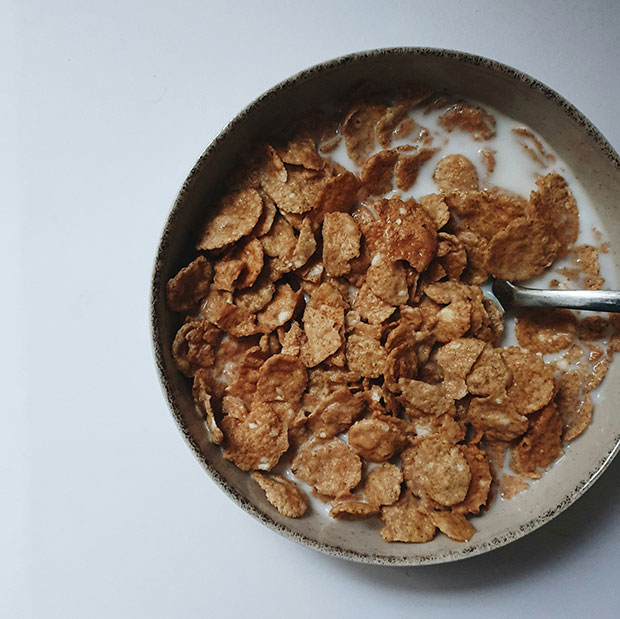
Some families compare ingredients with more care and question products they previously bought without hesitation. Early signs of slowing demand are evident in ready meals, where shoppers pause longer before making a choice. Snacks and cereals show the same pattern as buyers lean toward simpler recipes and shorter ingredient lists, writes Ellie Gabel of Revolutionized.
What the “UPF” Labels Mean for Grocery Retail
There is no universally accepted legal definition of UPF, which leaves the debate open to interpretation. The Food & Drink Federation often highlights this issue and points out that the NOVA system relies on vague groupings rather than firm scientific criteria. This ambiguity becomes more significant when UPFs account for roughly 50% of household food intake in high-income countries, like in the U.K.
These UPFs are increasingly being consumed in low- and middle-income countries, which adds global pressure to clarify the term. Retailers have invested time and resources in the established labelling framework, so adding another layer of guidance would create confusion for shoppers and introduce extra complexity for product teams.
Why the Backlash Matters Now
Shoppers show stronger awareness and growing mistrust of processed foods. This shift now influences what goes into baskets each week, with families dropping long-standing favourites such as instant noodles or sugary breakfast cereals. Consumers avoid products that rely on long ingredient lists or unfamiliar additives and instead choose simple options like wholegrain breads or minimally processed snack bars.
Research also shows that 60% of consumers view transparency as the most important trait of a brand. That expectation prompts suppliers to explain processing steps more clearly, such as why emulsifiers are used in ice cream or how preservatives extend the shelf life of sliced meats. It also encourages retailers to highlight cleaner-label alternatives and showcase ranges that feel honest and easy to understand.
Brand Responses Already in Motion
A study showed that ultra-processed food correlates with roughly 10% of premature and preventable deaths in Brazil, which adds sharper urgency to the global conversation. This evidence influences how U.K. suppliers think about risk and long-term portfolio planning. Many brands now run internal audits to understand how exposed their ranges are to the UPF critique.
The pressure has also encouraged more visible moves toward simplicity. M&S has already taken a step in that direction with its Only range. It features products made with six or fewer ingredients, and early shopper interest suggests the retailer will expand the concept further.
How Retailers May Need to Adapt
Retailers now face a difficult balance as they juggle supplier relationships and vague consumer demands around UPFs. Each pressure point pushes in a different direction and complicates the path forward. The most important shift for retailers will be building a clear communication strategy that helps shoppers understand the role of processing in everyday products. Some will focus on simple, consistent messaging across digital and in-store channels.
Own-brand ranges create an extra challenge because these lines often rely on processed ingredients to maintain value and convenience. Retailers must decide how to present those products in a way that supports trust without disrupting price-sensitive shoppers.
Innovation and Reformulation Opportunities
There is a clear irony in the UPF debate because many attempts to make products healthier often require extra processing or added functional ingredients. For example, low-sugar yoghurts and reduced-fat spreads sometimes rely on stabilisers or sweeteners that attract even more scrutiny. Processing also brings important benefits that shoppers depend on every day. Tinned vegetables, frozen fruits, and long-life bakery items exist because processing extends shelf life and keeps food safe.
This tension opens the door for meaningful innovation. Brands can explore cleaner-label reformulation that utilises more natural ingredients and simpler methods, creating products that are easier to explain and more trustworthy for shoppers.
Shaping Future Expectations Through Trust and Innovation
The UPF backlash will define future product design and raise shopper expectations across every category. Retail leaders can view this moment as an opportunity to build stronger trust by embracing simplicity and meaningful innovation. Those who respond with confidence and transparency will set the pace for the wider market.
Comments are closed.