



The market for bread has become increasingly shaped by the desire for quality and taste, with almost half of UK consumers prioritising this above health when it comes to selecting their weekly loaf (Mintel).
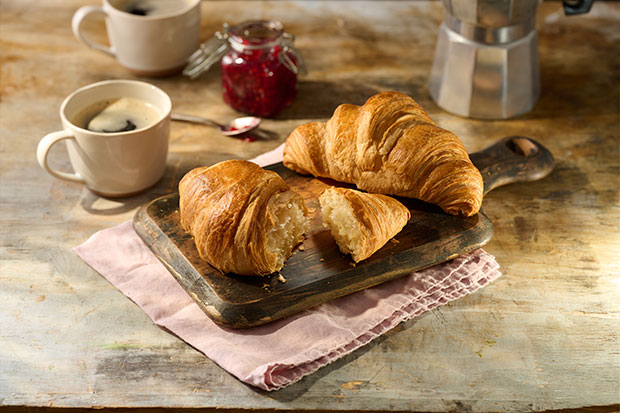
It is therefore no surprise to see a rise in the number of high quality breads appearing on shelves in retail stores across the country.
Also fuelling this, is customers’ growing preference for global cuisines, making European breads, such as Italian ciabattas and French brioche, a popular choice.
Fabien Pasquier, Retail Sales Manager, Brioche Pasquier, comments: “Customers are more aware of the ingredients in their food, particularly when it comes to bread. At Brioche Pasquier, we prioritise quality ingredients and our Brioche Rolls do not contain artificial colours, flavours and preservatives. We only use high quality ingredients, such as fresh eggs and British flour, in simple and authentic recipes which have been passed down over generations from Gabriel Pasqiuer.”
A classic in a quintessential French bakery, Brioche Pasquier’s Pains au Chocolat are always popular with customers looking for an authentic treat that can be enjoyed at breakfast or as a snack on the go. Crafted in the same traditional methods used by viennoiserie bakers, these Pains au Chocolat incorporate the brand’s popular brioche dough with puff pastry for a light and airy finish. Each Pains au Chocolat is also filled with rainforest certified dark chocolate to provide customers with a little extra indulgence. For convenience, the brand’s Pains au Chocolat are individually wrapped to keep them fresher for longer and this also makes them ideal for popping into bags to eat on the go.
Brioche Pasquier has become a popular household name, delivering products that are enjoyed at breakfast, lunch or as a delicious, sweet treat. The brand has delivered a +14% year on year growth (NIQ). This consistent performance demonstrates strong consumer demand, effective ranging and a track record of driving incremental sales in store.
Josh Corrigan, Customer Development Director, UK, at St Pierre Groupe comments on behalf of the Baker Street brand: “Health-led choices are a key driver within specialty bread. Shoppers are increasingly looking for options that offer additional benefits and help them reach health goals. Rye bread sits firmly within this space and is emerging as an up-and-coming segment of the specialty loaves market, appealing to consumers seeking balance without compromising on taste.”
At the same time, shoppers are still looking for products that justify spend. Even in a price-conscious environment, there is appetite for breads that offer quality and versatility across occasions, from everyday toast to more premium-style breakfasts and lunches at home.
Baker Street is the UK’s best-selling rye bread brand, accounting for 16 per cent of the market. The brand is growing strongly year on year, up 24 per cent in both volume and value, demonstrating that there is real momentum behind rye within wrapped bakery. Its two-product rye range – Seeded Rye and Rye & Wheat – taps directly into demand for healthier alternatives while remaining accessible and convenient for everyday use.
“The main opportunity for growth lies in driving value through differentiated segments rather than relying on price alone. With the wider loaves category under volume pressure, growth will come from areas that bring new shoppers into the fixture or encourage trade-up,” adds Corrigan.
Rye bread represents one of those opportunities. As an up-and-coming segment within specialty loaves, it answers multiple consumer needs – perceived health benefits, fuller flavour profiles and versatility across meal occasions. Continued growth in rye demonstrates that shoppers are actively seeking alternatives to standard white and wholemeal loaves.
“For retailers, there is a clear opportunity to give greater visibility to high-performing specialty lines that are delivering genuine incremental growth.
Baker Street’s Seeded Rye and Rye & Wheat loaves provide a strong example. As the UK’s number one rye bread brand, with 16 per cent market share and 24 per cent year-on-year growth in both value and volume, the brand is helping expand the segment,” says Corrigan.
“There is also an opportunity to capitalise on changing at-home eating habits. More flexible working patterns have supported demand for breads that work across breakfast, lunch and lighter evening meals, and rye’s versatility positions it well here.
“In a market where overall loaf volumes are softening, focusing on growth segments such as rye – and stocking recognised brands that are already driving momentum – will be key to unlocking incremental sales and sustainable category growth.”
Rachel Wells, Commercial Director at St Pierre Groupe comments on behalf of the St Pierre brand, comments: “Shoppers are continuing to trade up within bread and bakery, with growing demand for products that offer greater versatility and a sense of everyday indulgence. Shoppers are increasingly turning to brioche as an easy way to elevate meals at home without compromising on familiarity or value.”
Brioche sits perfectly at the intersection of quality and accessibility. Its soft texture, rich flavour and premium quality allow shoppers to upgrade everyday occasions – from breakfast through to lunch and evening meals – in a way that feels achievable and justified. As a result, brioche has moved from being an occasional treat to a regular staple, playing a central role in the wider trend for “easy premiumisation” in bakery.
This has driven sustained growth for St Pierre, the UK’s number one brioche brand (Circana). Shoppers are increasingly using brioche buns and rolls to recreate restaurant-style experiences at home, while the brand’s continental bakery range continues to benefit from demand for premium breakfast options. Brioche’s versatility across multiple occasions has helped it deliver consistent value and volume growth (Circana), even as shoppers remain mindful of spend.
Crucially, this shift reflects a broader change in shopper behaviour. Consumers are willing to trade up when the product clearly enhances the eating experience and delivers reliable quality. Brioche meets that need by elevating everyday moments, reinforcing its position as a key growth driver within Bakery Occasions.
Premiumisation continues to be one of the most important consumer trends shaping the bread and bakery category. Shoppers are increasingly seeking “permissible indulgence” – affordable treats that elevate everyday meals and occasions without feeling excessive. Bakery is uniquely placed to deliver this, offering small trade-ups that transform routine moments into something more special.
Breakfast remains the UK’s biggest meal occasion, eaten daily by nine in ten consumers, but the way shoppers approach it has evolved. It is no longer viewed as purely functional; instead, it has become an opportunity to treat, elevate and recreate café-style experiences at home. This shift is being driven in particular by younger shoppers, who are fuelling growth in premium morning goods for both breakfast on-the-go and more indulgent weekend occasions.
Croissants are one of the clearest beneficiaries of this trend and remain one of the fastest-growing breakfast bakery segments, now worth around £140m and delivering strong double-digit value growth year on year (Kantar). Products that combine indulgence with accessibility are resonating with shoppers, as they continue to prioritise quality and experience, even while remaining mindful of spend.
For retailers, the opportunity lies in recognising that premium bakery is no longer reserved for special occasions. By offering high-quality, versatile products that deliver everyday indulgence, retailers can tap into changing breakfast behaviours, drive incremental spend and encourage shoppers to trade up little and often.
St Pierre’s core brioche range remains the brand’s strongest performer, particularly Brioche Buns and Seeded Brioche Buns. These products consistently resonate with shoppers because they offer an easy way to elevate everyday meals and social occasions, while still feeling accessible.
Their versatility is a key driver of repeat purchase, as they are used far beyond burgers, including for sandwiches, brunches and informal entertaining.
Building on the success of last year’s limited-edition Spicy Chilli Brioche Buns, which delivered new shoppers and incremental sales into the category, the brand is launching St Pierre Caramelised Onion Brioche Buns for the 2026 BBQ season.
The launch taps directly into the continued demand for affordable indulgence. While shoppers may be more cautious around bigger-ticket spending, they are still prioritising smaller, everyday treats that elevate mealtimes. Flavoured brioche buns offer an accessible way to upgrade a burger or midweek meal, delivering a premium eating experience without a significant trade-up in price.
Shoppers are also increasingly looking for newness that feels justified – whether through bold flavours, layered sweetness and savoury notes, or standout textures. St Pierre Caramelised Onion Brioche Buns respond to that demand, combining St Pierre’s signature soft, golden brioche with a rich, gently sweet onion flavour profile that adds depth and differentiation to the fixture.
Available from April to September, the limited-edition launch is designed to drive excitement and seasonal impulse during the key BBQ period. As with the brand’s previous flavoured bun innovation, the aim is not simply to add variety, but to expand the category by attracting food-loving shoppers seeking something distinctive and worth trading up for.
In a market where growth is increasingly driven by quality, innovation and brand loyalty, limited editions such as this allow retailers to create theatre in the bakery aisle and encourage shoppers to spend a little more for a product that feels like a little luxury.
St Pierre is outperforming the total bakery occasions subsector, where it ranks as the fastest-growing brand in the UK top 10 (Circana), growing 13 per cent in value and 10 per cent in volume (Kantar). Shoppers who buy St Pierre’s brioche buns and rolls for these occasions have a trip spend of 18 per cent higher than the average for branded bakery (Kantar).
Consumers are spending more wisely in the current climate, but that doesn’t always mean they’re spending less. The St Pierre brand communicates quality and authenticity at every touchpoint – and the perceived value attached to doing so must not be under-estimated. Consumers know that consistent quality that elevates a meal to restaurant-quality is worth it, especially when the additional cost is a pound or less.
“Availability and visibility are critical. Shoppers often make bakery decisions quickly, so ensuring best-selling lines are easy to find and well-stocked is essential. Retailers should also think about how bakery links to other categories, using cross-merchandising to encourage shoppers to build complete meals,” adds Wells.
“Premium bakery works best when it is positioned as an easy upgrade rather than a specialist purchase, helping shoppers trade up without trading out.”
“We work closely with retailers to support ranging, merchandising and space optimisation, focusing on products that deliver strong returns and work across multiple occasions. By combining trusted core lines with clear usage cues and extended shelf life, we help retailers grow bakery sales confidently and sustainably,” says Wells.
“Looking ahead, premiumisation will continue to be a key growth driver in bread and bakery. Retailers who prioritise quality, simplicity and versatility will be best placed to capture this demand and keep shoppers coming back.”
Carmen Greig, Brand Manager at Windmill Organics, comments: “With many consumers now looking for healthier clean-label options to consume at the start of the day, the bakery category is beginning to change.
Between 2024-2025, Biona’s bread category sales rose by 17%, which reflects its growing importance to our business and the strong appetite for organic bakery options. It really feels like we’re at the early stages of a cultural shift in the UK where many consumers are increasingly reflecting on their past bakery choices and are now looking for some alternatives that align with their needs and values: health, sustainability and ingredient transparency. In fact, 75% of consumers express interest in foods that boost gut health – sourdough being one of them – and 57% of UK consumers would consider paying extra for more sustainable bread products, so we feel that our bakery range is well placed to meet those needs.”
Rye bread, part of the sourdough family, is certainly growing in popularity with 29% of UK consumers having tried it. Biona’s organic Rye Bread is made with just a few simple ingredients; wholegrain rye meal, natural sourdough, and sea salt, and is a delightfully tasty, fibre rich, sliced loaf. It maintains its natural freshness without the use of artificial additives, preservatives, wheat, yeast, sugar or chemical pesticides, making it a wholesome and nutritious alternative, and perfect for those customers looking for healthier, more natural bakery products to heavily processed options.
At the start of this year Biona ran its first ever ‘Rye January’ campaign which highlighted the growing concern that one of Britain’s most-eaten foods is also one of its most ultra-processed. The campaign encouraged consumers to ditch ultra-processed sliced bread and try our natural rye alternative and share their experiences online. This simple swap can make a measurable difference, as studies have shown that rye bread improves blood sugar control, reduces cholesterol by up to 14%, and keeps people fuller for longer thanks to its high-fibre, low-GI profile. As part of the campaign, Biona also carried out research which revealed 73% of UK consumers are unable to identify the 10 most common additives and preservatives found in their daily bread.
Consumers are becoming more aware of the different farming methods and the potential impact each have on their health. The key difference between organically and conventionally grown produce is that organic methods work in harmony with nature, without the use of harmful artificial chemicals, pesticides or GMOs. Unlike conventional farming, which relies heavily on chemical inputs to maximise yields, organic farming nurtures soil health through crop rotation, composting, and natural fertilisers, fostering biodiversity and reducing environmental harm.
“We know from our own research that ‘no pesticides’ is the number one reason consumers enter the category and stay in it. Shoppers are also attracted to the higher nutritional content of organic food. Many farmers in the UK and Ireland are now moving towards more sustainable methods of farming such as regenerative agriculture, which is certainly a step in the right direction, but the gold standard of farming is of course organic and will remain so,” adds Greig.
“We know many consumers are increasingly concerned about certain bakery products and the potential impact on their health. This means they are looking to either reduce their consumption of bread altogether or at least seek out alternative bakery products with benefits, which must deliver on both health and taste, and our bakery range meets this desire. Alongside our selection of rye breads, our bakery portfolio includes products such as our organic Super Seed bread, which is a delightfully tasty, protein rich, sliced loaf, containing fibre-packed oat kernels and 30% of nutritious seeds, as well as our sliced Power Protein Bread and so much more.”
Biona organic Rye Bread, ranked as the brand’s sixth best-seller, is a customer favourite. In 2024 alone, Biona’s bakery range generated £2.7M in sales, making up 9.3% of the brand’s total revenue for the year. Elliot Cantrell, Head of NPD at BakeAway, comments: “Consumers are looking to find a balance between healthy and indulgent foods. There is a noticeable rise in demand for products that offer functional benefits, such as added fibre and protein, particularly amongst younger generations, who are more health-conscious and focused on fitness.
“As the manufacturer of Myprotein Pancakes, we know consumers want snacks that deliver real nutritional value without sacrificing enjoyment. Our recipe provides both indulgence and functionality, offering a better-for-you option that fits a balanced lifestyle. Thanks to their HFSS-compliant recipe, Myprotein Pancakes are a smart choice for healthy-minded shoppers seeking delicious snacks.”
The rise of health and fitness events, such as marathons and Hyrox, are also a key factor in the health-conscious food trend. When people enter events, such as the London Marathon, they become more aware of their diets and look for food that is effortless and high in protein. Additionally, young people are increasingly focused on healthy living and want beneficial options to ensure they get the best results from their workouts. However, they don’t want to spend too much time thinking about this and want a quick and easy option.
“This year, we expect the culinary twist on a classic dish trend to continue. For example, combining sweet and savoury flavours and bite-sized desserts. Classic dishes and snacks, such as chicken pies or sausage rolls, are now being reimagined into more modern and unique variations. We predict consumers will continue trying new flavour combinations and enjoying small treats, like bite-sized cookie dough balls, where people can have a quick and delicious snack,” adds Cantrell.
“With global sporting events coming up in 2026, we recognise the impact they will have on trends, with consumers wanting to have watch-along parties with friends and family. The BakeAway pastry sheets and blocks are ideal for these events due to their versatility, with customers easily able to make delicious snacks like sausage rolls. Given the global aspect of these events, we also anticipate more consumers trying different flavour combinations where traditional British dishes have a unique twist, such as a jerk chicken pie.”
2026 is an exciting year for BakeAway as the brand has some innovative products in the pipeline. In recent years, interest in home-baking has increased but many people still find it too time-consuming. This year the brand will continue meeting consumers’ needs with delicious, hassle-free products.
Brand new cookie proposition Doh! Is launching to retailers this Spring. Two flavours are available: a double choc chunk and a salted caramel.
“It’s essential for the home-baking category to clearly communicate what matters most to consumers. On packaging, health benefits such as protein content should be easy to understand at a glance. While shoppers are increasingly interested in healthier alternatives, they still value indulgence, even if that comes in the form of smaller portions or bite-sized treats. The baking category needs to clearly communicate what matters most to consumers. On packaging, health benefits such as protein content should be easy to understand,” advises Cantrell.
“It’s also vital for the category to embrace social media. Trends move quickly, and retailers and brands shouldn’t shy away from showing how their products can fit into these moments. With the rise of cooking hacks online, we make a point of highlighting the versatility and convenience of our ready-made pastry, helping consumers feel confident recreating the pastry-related trends they discover on TikTok or Instagram.”
Jason Geary, Master Baker at Jason’s Sourdough, comments: “Consumers are increasingly choosing higher-quality breads such as sourdough, focaccia, and brioche over standard sliced white, with many being willing to pay more for products that offer superior taste, quality ingredients, and versatility. This drives premiumisation across both in-store and packaged ranges. Our latest Worldpanel data shows that last year ‘Total Premium Bread’ units sold grew by +41.7%, whilst ‘Total Prepacked Bread’ declined by -1.2%, which shows a definite shift in preference. As expectations evolve, innovation remains key. For Jason’s Sourdough, this means expanding into new flavours and formats, including our recently launched Creations Fruit Loaf, which delivers bold flavour while staying true to our heritage and craftsmanship.”
There has been a rising trend in “better-for-you” options in recent years, as consumers are becoming more health-conscious and actively seeking nutrient-dense options with functional benefits. The most popular ‘better-for-you’ products tend to be simple, easy swaps for the daily diet. Jason’s Everyday Protein Rolls, launched following the success of Jason’s Protein Loaf, responds directly to this demand by providing a seamless way to incorporate nutrient-dense, functional foods into daily routines, while staying true to the brand’s commitment to simplicity and great taste.
Consumers are increasingly time poor and are seeking convenient ways to meet their nutritional needs on-the-go, which explains the increased pick-up for ready-to-eat products. However, historically these items have not always been the healthiest. Acknowledging this, Jason’s Sourdough expanded its Tesco range with premium ‘take-home’ toasties, catering to shoppers looking for convenient options with greater nutritional value, suited to busy lifestyles. These toasties, introduced following the success of Jason’s Sourdough’s 2024 partnership with Around Noon, are available across foodservice, travel and retail sectors. The Ham Hock & West Country Mature Cheddar and Three Cheese Toasties sit alongside brands such as Ginsters, Pukka and Rustlers, offering consumers a less processed alternative.
There is significant interest in products being produced with fewer, more recognisable ingredients. Clean labelling is a growing trend as consumers increasingly want to know what they are putting into their bodies, while also seeking greater transparency and sustainability. This commitment to using the least ingredients possible can be seen across Jason’s Sourdough’s bread portfolio, as well as in its recently launched Sourdough Crumpets, which are made with just four simple ingredients. For shoppers, fewer ingredients create the true perception that the product is less processed or contain less additives. The rise in awareness regarding ultra-processed food has drawn attention to ingredient listing, with 80% of shoppers associating UPFs with being unhealthy and a cause of obesity (IGD). It also helps ease worry surrounding dietary requirements: being transparent about ingredients will establish a higher level of trust in a brand.
“Consumers are becoming more intentional about what they eat, looking for products that feel authentic and made with care, not just those which make bold health claims. There’s a growing appreciation for traditional processes, shorter ingredient lists, and foods that deliver on flavour and quality. While this is one trend that is taking flight, another is the development of consumers making food choices based on functional health benefits as well as taste,” adds Geary.
“This has resulted in growing demand for products that support gut health, immunity and overall wellbeing. This shift is being further influenced by greater awareness of GLP-1 medications, which is beginning to reshape eating habits, having the effect of shoppers favouring smaller portions, seeking nutrient-dense foods, and making more health-conscious choices.
“For retailers, this presents an opportunity to balance health-led innovation with the continued demand for comfort, indulgence and great-tasting everyday products.”
Jason’s Sourdough’s best-selling products are the Great White and the White Ciabattin, coming at a very close tie for first place. In 2025, these two SKUs made up over 50% of the retail sales. This would suggest that the more comforting, familiar, and versatile bakery products are what consumers are increasingly revolving back to, even when these bread options carry an artisanal or elevated twist. Jason’s Sourdough is meeting that demand by offering well-made versions of classic bread types, which are both on trend and timeless.
The brand’s latest product launch was the Sourdough Crumpets, released in Tesco in September 2025. After a successful launch, the sourdough crumpets have been picked up by other retailers and will be available very soon. Sticking to the true nature of crumpets, Jason’s elevated this product, by combining the crumpet with the signature tang, texture, and craft of its much-loved long fermented sourdough, but being made the proper way with only four simple ingredients.
Jason’s Sourdough has continued to perform exceedingly well, with growth in the last year seeing the brand become Britain’s 3rd biggest bread brand, only 6 years after the brand launched.
As consumer demand for health-focused, premium, and functional breads continues to rise, scaling production to meet this demand without compromising the quality and consistency our customers expect is a key focus. Jason’s Sourdough took a proactive approach by investing more than £36 million in a new, custom-built facility designed specifically to support its growth ambitions.
“Retailers can maximise sales by including on-shelf education and guidance surrounding particular products,” says Geary. “Highlighting the benefits or popularity of such products in this way will target customers towards purchasing these, due to the easily accessible additional detail and being at the retailer’s recommendation. This also offers greater opportunities for shoppers to find the best bread product for dietary requirements, specific occasions, and to generally browse the various options. Listening to consumer insights is key to ensuring strategic product placement. Ensuring that merchandising fixtures are balanced according to shopper demand is an essential way to opening shoppers’ mindset towards trying different products without overwhelming them with novel innovative choices.”
Stephen Jones, UK Sales Director, Grupo Bimbo UK, comments on behalf of the NYB brand: “Better-for-you options continue to influence bakery purchasing decisions, but shoppers are looking for balance rather than restriction. Research indicates that 77 per cent of consumers are actively trying to eat more protein (Taluna/Harris), while 90 per cent are not getting enough fibre (NDNS), creating a significant opportunity for growth within the category.”
New York Bakery’s Health & Wellness range, which comprises of Protein Boost (10g plant protein), Fibre Plus (high in fibre) and Lighter Bagels (30% less calories than the Original), is designed to meet this demand, offering bagels that support a more mindful approach to eating without sacrificing enjoyment.
Whether shoppers are seeking higher fibre, protein options or lighter recipes that align with everyday wellbeing goals, the range enables retailers to cater to health-conscious consumers while still delivering strong repeat purchase and basket appeal.
“We see two key trends shaping the bakery category. First, health and wellbeing continue to be a major driver, with shoppers looking for better-for-you options that don’t compromise on taste. This is where New York Bakery’s Health & Wellness range, including Protein Boost, Fibre Plus and Lighter Bagels, plays a central role,” adds Jones.
“At the same time, ongoing cost-of-living pressures have reinforced demand for products that offer value and versatility. Shoppers are gravitating towards affordable staples that can work across multiple meal occasions, while still supporting health goals such as higher fibre, added protein or lower calories. The challenge for brands is balancing these functional benefits with authenticity and enjoyment, as taste and satisfaction remain the primary purchase drivers in bakery.
“The second major trend is flavour. Consumers are increasingly seeking bold, authentic New York-inspired tastes, and we expect the Everything flavour, which is already gaining traction in bakery NPD, to continue moving into the mainstream. This appetite for flavour-led innovation also underpins our expansion into new formats such as NYC Subs, highlighting how New York-inspired bakery can work across a wide range of occasions, from nourishing breakfasts to more indulgent meals.”
New York Bakery’s core range remains the foundation of its success in the category, with Original and Sesame Bagels continuing to lead sales. Strong performers also include New York Bakery Cinnamon & Raisin, Red Onion & Chive and Wholemeal Bagels, which collectively deliver choice across both sweet and savoury occasions.
Alongside this, the Health & Wellness range is playing an increasingly important role, attracting shoppers who want added nutritional benefits while still enjoying the taste and texture they expect from a bagel. This includes New York Bakery Fibre Plus, Protein Boost and Lighter Bagels.
The Everything Bagel is also emerging as a strong flavour-led addition to the range, tapping into growing consumer interest in bold, authentic New York-inspired tastes. Inspired by a classic NYC deli staple, the flavour combines savoury garlic and sweet balsamic onion baked into the bagel, topped with a distinctive seed blend. Its versatility across breakfast, lunch and brunch occasions makes it an appealing option for shoppers looking to trade up on flavour, while offering retailers a way to capitalise on a flavour profile that is rapidly moving from niche to mainstream.
New York Bakery is the number one bagel brand in the UK (Circana) and continues to perform strongly within the category. This performance is driven by great taste, broad appeal and strong brand recognition, with the range remaining relevant across multiple eating occasions.
The combination of a well-established core range, a growing health-led offering and expansion into new bakery categories has enabled the brand to reach a wide shopper base, from families and younger consumers to those prioritising wellbeing. Consistent distribution and strong brand loyalty underpin this success, making New York Bakery a dependable driver of sales for retailers.
“Keeping the range simple, well-stocked and clearly segmented is key. A strong core offer should be supported by clearly signposted health and wellness options, making it easy for shoppers to navigate the fixture and trade up where appropriate,” advises Jones.
“Availability is critical, particularly for breakfast and brunch missions, and retailers should ensure bestsellers are always in stock to avoid missed sales.”
New York Bakery continues to invest in brand marketing that reinforces its role in everyday breakfast and beyond. Activity is focused on driving awareness, supporting key occasions and reminding shoppers of the versatility of bagels across the day.
This is supported by in-store activation opportunities that help retailers bring the range to life at shelf and convert interest into purchase.
“Maximising sales starts with visibility and availability. Clear shelf positioning, strong stock levels on core lines and clear differentiation between classic favourites and health-led options all help drive conversion,” suggests Jones.
“Cross-merchandising with breakfast and brunch accompaniments can also encourage shoppers to add bagels to their basket and increase overall spend.”
New York Bakery works closely with retail partners to support growth through ranging advice, category insight and activation opportunities. By sharing shopper understanding and helping retailers tailor their offer to local needs, the brand supports sustainable sales growth and strong on-shelf performance.
Comments are closed.