


UK breakfast consumers are demanding protein and health-conscious options, while affordable out-of-home treats remain popular.
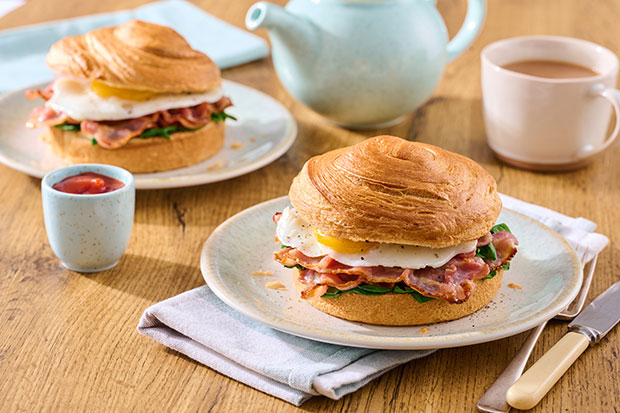
Increased hybrid and full-time office attendance has boosted morning footfall and on-the-go breakfast commuting, with urban centres like London leading the surge.
Under economic and cost-of-living pressures, consumers may cut back on expensive evening dining, but they treat themselves to affordable morning indulgences—such as a coffee and muffin deal.
Health remains a central focus, with consumers actively prioritising protein. Shell egg consumption and cooked breakfast options have grown significantly, supported by reports from the British Egg Industry Council, as younger demographics (Millennials and Gen Z) embrace egg-based breakfasts both on weekends and mid-week.
The market is split between functional, clean-label, dairy-free/allergen-free options and “permissible indulgences” like artisanal pastries, coffee shop specials, and gourmet bakery items.
The UK breakfast market is increasingly defined by a dual demand: time-poor consumers seeking grab-and-go convenience, and households looking for premium, café-style experiences at home. Breakfast represents the largest bakery occasion, accounting for 36% of spend within bakery occasions (Circana), with value sales growing by 3% (Circana).
St Pierre is capitalising on both trends through its individually wrapped continental range — holding positions as the UK’s fastest-growing continental brand (Circana) and best-selling crêpe brand (Circana) — and its versatile brioche range, which has established it as the UK’s number one savoury brioche brand (Circana). Year to date, St Pierre is growing at more than six times the rate of the total bakery occasions sector (NielsenIQ), driven by increased household penetration (now over 20%, NIQ) and strong NPD performance, including its Croissant Loaf, All Butter Croissant Rolls, and Chocolate & Hazelnut Filled Croissants.
To help retailers maximise category growth, Josh Corrigan, Head of Sales, UK at St Pierre Groupe, commenting on behalf of the St Pierre brand, recommends the following key strategies: “Retailers should focus on providing a balanced range that meets changing consumer expectations, combining dependable breakfast favourites with premium and innovative products that encourage trade-up and support category growth.
“Innovation should not come at the expense of familiarity. The greatest opportunities lie in products that bring something new to an existing occasion, whether that’s a different format, a more indulgent flavour or greater versatility.
“Secondary placement also presents a significant opportunity. Positioning individually wrapped croissants, pains au chocolat and crêpes near hot drinks and food-to-go fixtures can encourage impulse purchases, while larger formats such as Brioche Loaves and Croissant Loaf can be merchandised alongside spreads, preserves and other breakfast ingredients to inspire at-home consumption.”
Consumers are not abandoning traditional breakfast staples; instead, they are seeking “everyday health” by adding nutrients like fibre and protein to familiar routines. Adult fibre intake in the UK averages just 16.4g daily — well below the 30g target, with only 4% meeting recommended levels (National Diet and Nutrition Survey).
Rye bread is capitalised on this shift, with the category growing 17% in value and 12% in volume in convenience channels (Circana). Baker Street dominates as the UK’s number one rye brand with a 34% value share, delivering 57% value growth and 56% volume growth year-on-year (Circana). Driven by core lines like Rye & Wheat (8.2g fibre per two slices) and Seeded Rye (10.4g fibre), the brand has expanded its portfolio with Baker Street Light Rye—a sourdough starter loaf offering a softer texture and milder taste for curious consumers.
Josh Corrigan, Head of Sales, UK at St Pierre Groupe, comments on behalf of the Baker Street brand: “Rather than positioning healthier breakfasts as a complete departure from traditional eating habits, the focus should be on demonstrating how familiar foods can contribute to more balanced meals. Choosing a bread that provides additional fibre, for example, can be a straightforward change within an existing breakfast routine. “Offering a choice of products is particularly important as consumers increasingly seek breakfast options that meet different taste preferences and nutritional needs, without compromising on convenience.
“Clear merchandising and benefit-led signposting are important. Grouping speciality breads together and highlighting credentials such as ‘source of fibre’ can help shoppers navigate the fixture and identify products that meet their nutritional preferences.”
Growing consumer awareness around clean ingredients and ultra-processed foods has placed bread at the centre of breakfast choices, driving strong interest in sourdough—a concept that now resonates with nearly 82% of shoppers who link it to authenticity and health (Vypr). Brioche Pasquier has long leveraged this trend through its traditional French family starter dough (levain), used since 1974.
The brand has recently refreshed its core packaging to highlight its sourdough credentials. Meanwhile, demand for quality, portable options remains high during busy weekdays. Brioche Pasquier caters to this with individually wrapped Pains au Chocolat (featuring a 29-day natural shelf life driven by its levain) alongside weekend indulgence bestsellers like its original and chocolate chip Pancakes.
Brioche Pasquier continues its strong momentum in the UK, cementing its position as one of the top 10 best-selling brands in morning goods and speciality bread while delivering +14% year-on-year growth (NIQ). Fabien Pasquier, Commercial Director at Brioche Pasquier, highlights key operational and product strategies: “Brioche Pasquier has been ahead of the curve for some time, using its French family starter dough (levain) in its brioche rolls long before sourdough became popular, giving Brioche Pasquier’s products their distinct flavour and soft texture that customers love.
“During the busy working week, more and more customers are looking for breakfasts that can be enjoyed on their morning commute. However, grab and go snacks should offer more than just convenience, with taste and quality both equally important considerations.
“To increase sales, retailers should offer versatile products that customers can customise to create their own perfect breakfast. This is where Brioche Pasquier comes in as just one pack of Brioche Rolls can provide a different breakfast every day.”
Breakfast has evolved from a simple refuel into a diverse set of behaviour-driven occasions, with an extra 604 million breakfasts chosen specifically for health credentials (Kantar data). Health-conscious consumers are scrutinising ultra-processed options and gravitating toward recognisable, clean-label breads, driving in-store bakery (ISB) sweet bakery up 5.3% (Circana) and French pastries up 5.1% (Circana). Speciality bread is now the second-largest ISB bread segment at £243 million (+6.4% growth, Circana), led by sourdough speciality loaves delivering 23.4% value growth (Circana) alongside a 30.2% increase in store distribution (Circana).
Additionally, the rise of the “Mindful Treater” — including consumers managing portion sizes via GLP-1 medication — is driving momentum in mini-Danish pastries (+9% value growth, Circana). Meanwhile, younger commuters prioritise high-quality grab-and-go options that deliver perceived value over mere price point.
Holly Holt, Brand Manager at Lantmännen Unibake UK, outlines key growth strategies: “Speciality breads with a short, legible ingredient list, such as sourdough, seeded and rye loaves, carry exactly the ‘clean label’ and natural credentials that reassure this audience at the fixture. Retailers are no longer competing simply on stocking sourdough; they’re competing on the quality, authenticity and versatility of the sourdough products they offer.
“Inclusion-led loaves, such as coffee and date, cranberry and cashew, or fig with black pepper, are adding subtle sweetness and nutritious richness to savoury doughs, ideal for the breakfast occasion. They carry a natural health halo and create an elevated, artisan-style offer and a simple way to add protein and fibre to the range.
“Offering customers meaningful value through breakfast bundles encourages trade up from a coffee-only morning purchase, raising transaction value and driving trial of a wider variety of products across multiple categories.”
Quality bread acts as a versatile foundation for high-protein morning pairings, with sourdough transitioning from weekend treats to everyday household staples, led by launches like Hovis Sourdough Cobs. Protein-focused products cater to a market of 27.6 million UK households (Nielsen), driving NPD such as Kingsmill Mighty White Protein Loaf and Kingsmill Protein Pancakes.
Hovis, which is being supported by a £4 million multi-channel media campaign, holds its position as the UK’s #2 packaged sliced bread brand with 50% brand penetration (14.8 million buyers across 160 million meal occasions) and an 81% repeat purchase rate (NielsenIQ). Its Hovis Soft White Medium loaf sells over 66 million loaves annually as the market’s #2 SKU (NielsenIQ), while Hovis Seed Sensations 800g leads the branded seeded sector with over 24 million loaves sold per year (Retail Measurement). Meanwhile, Kingsmill maintains category leadership in the healthy white sector (Nielsen).
Mark Brown, Chief Marketing Officer at Hovis Bakeries, shares key advice for retailers: “Rather than being reserved purely as an occasional weekend treat, sourdough is increasingly being enjoyed as a staple component of everyday meal occasions for many households. Modern shoppers are actively seeking out products that combine the more indulgent taste and texture of sourdough with everyday convenience. “Approximately 27.6 million households are now buying products with protein, and these launches help to make everyday protein more effortless without compromising on flavour.
“To maximise sales and capture evolving shopper habits, retailers must ensure their bakery fixtures cover a full spectrum of consumer need-states through a well-balanced range. By curating a clear, easily navigable fixture that spans core white, healthier choices, seeded lines, and also sourdoughs, retailers can drive basket value and maximise overall category performance.”
Breakfast habits are shifting as consumers seek options that combine taste, convenience, and health benefits without abandoning traditional favourites. Rather than making drastic changes, shoppers prefer adding variety and substance through versatile bakery bases that pair easily with eggs, spreads, and avocado.
New York Bakery retains its position as the UK’s number one bagel brand (Circana), spanning quick weekday breakfasts and elevated weekend brunches. Its core performance is led by Original and Sesame Bagels alongside Cinnamon & Raisin, Red Onion & Chive, and Wholemeal varieties. Growth is further accelerated by its Health & Wellness range — such as the Protein Boost Bagel (delivering 10g of plant-based protein per bagel)—and flavour innovations like the 40-hour slow-fermented Sourdough Bagel and authentic NYC-inspired Everything Bagel.
Stephen Jones, UK Sales Director at Grupo Bimbo UK, shares key strategic advice: “Protein is certainly becoming more important within bakery, reflecting a broader desire for nutritional benefits that can fit naturally into existing eating habits. At the same time, taste, texture and satisfaction remain fundamental, with shoppers looking for options that support their health goals without compromising enjoyment.
“Retailers should think about breakfast as more than a single early-morning mission. Shoppers increasingly move between quick weekday breakfasts, food-to-go occasions and more leisurely weekend brunches, so bakery ranges need to be flexible enough to cater for different needs.
“With average basket spend increasing by 75 per cent when bagels are included, there is a clear opportunity for retailers to drive incremental sales by positioning them close to complementary products. Spreads, eggs, avocado, smoked salmon, chilled juices or hot drinks can encourage shoppers to build a complete meal.”
As consumers place greater importance on the breakfast occasion, traditional choices are being re-evaluated in favour of nutrient-dense options that offer both dietary benefits and everyday convenience. Sourdough serves as a versatile, better-for-you base, supported by Jason’s Sourdough’s expanded “Bread with Benefits” portfolio.
Additionally, the fast pace of modern lifestyles is accelerating demand for portable, non-ultra-processed solutions that transition seamlessly from breakfast to desk-side lunches or on-the-go snacking. Jason’s Sourdough has responded with significant NPD, including August 2026 launches of the Seeded Fibre Loaf and Every Day Seeded Fibre Rolls (5g fibre/slice; 8g fibre/roll), a charitable partnership with mental health charity Mind for the Mindful Loaf (featuring pumpkin, chia, and flax seeds), and July’s Crumpet Thins. These innovations complement core bestsellers like The Great White and White Ciabattin.
Barry Dawber, Sales & Marketing Director at Jason’s Sourdough, outlines the key factors driving the category: “As consumer interest in nutrition and the quality of everyday food choices continues to grow, traditional time-sensitive breakfast staples are being reconsidered in favour of more nutrient-dense and versatile options, without compromising on enjoyment.
“Time-poor consumers are actively seeking high-quality food that fits seamlessly around shifting, hybrid daily routines. Historically, food-to-go and ready-to-eat bakery products relied heavily on additives and ultra-processed components. Jason’s Sourdough set out to challenge this compromise.
“The campaign reflects our continued commitment to growing both the Jason’s Sourdough brand and the wider sourdough category, reaching even more UK households and showing how proper sourdough can become part of everyday life. Ultimately, we want to turn more people into sourdough obsessives – making great-tasting, properly made sourdough a staple of daily routines rather than an occasional treat.”
The UK breakfast occasion has expanded significantly, growing by 56 million occasions over the past year to a total of £20.24 billion (Kantar). To capitalise on this, Weetabix is driving brand engagement through purpose-led initiatives and modern digital touchpoints—such as the “Weetabix All-Stars” gifting campaign and a Roblox activation to build healthy breakfast habits in younger audiences.
New product developments have also proven highly successful. The HFSS-compliant, high-fibre Weetabix Crispy Minis Caramelised Biscuit surpassed £1 million in value quickly after launch, becoming the fastest-growing new variant of the year (NielsenIQ). Meanwhile, the core brand maintains strong performance: Weetabix Original continues as the UK’s number one branded cereal with value up 4.7% and volume up 3.8% (NielsenIQ), alongside its first household penetration growth since 2020. The broader Weetabix Crispy Minis range has grown into a £33 million brand (NielsenIQ).
Lorraine Rothwell, Director of Brand Marketing at Weetabix, highlights the following strategic focus areas: “A vital part of the day for so many households, breakfast occasions have risen by 56 million in the last year, with total breakfast now at 20.24 billion. The opportunity is clear, but the way people approach breakfast is shifting. It’s no longer just about routine; it’s about health, enjoyment, and increasingly, cultural relevance. “Whilst there is a notable shift towards ‘healthy’ breakfasts, Caramelised Biscuit has been so successful because it delivers on flavour, yet is still HFSS compliant, high in fibre and made with wholegrain wheat. There’s definitely a space within breakfast for fun yet nutrient dense cereals.
“It gives families another reason to engage with the brand outside of the cereal aisle and reflects our wider goal of making breakfast both enjoyable and culturally relevant for all ages.”
The yoghurt aisle is increasingly shaped by protein, fortification, and functional health, with health serving as a major purchase driver. As 9 in 10 UK consumers have breakfast (Kantar), traditional staples like bread, cereal, and juice are declining in household penetration. In contrast, household yoghurt penetration has climbed to over 96% (NIQ), buoyed by a shift toward protein-led breakfast bowls. Greek yoghurt (growing at 54%) and Skyr (growing at 159%) now represent a combined £387m market, while plain, natural, and Greek yoghurts overall have contributed a £188m value increase (NIQ).
Kids’ yoghurts are also experiencing strong momentum; breakfast is now the fastest-growing occasion for the segment, up 21% year-on-year (Kantar), helping parents tackle nutritional gaps like insufficient calcium and vitamin D.
Grant Yates, Sales Director at Yoplait, emphasises the changing landscape and the need for smart in-store execution: “Across kids’ yoghurt, adult plain and functional yoghurts and dairy drinks, shoppers are increasingly looking for products that work harder for them, whether that’s supporting bone health with vitamin D to providing high-protein options that fit seamlessly into busy routines.
“Create clear cues for key missions such as breakfast, lunchbox and on-the-go. Grouping complementary formats together can help shoppers navigate quickly and encourage incremental purchases.”
“Use shelf-edge labels and POS to call out key benefits such as protein, calcium and vitamin D. Clear nutritional messaging helps reassure parents and health-conscious shoppers.”
As consumer health consciousness surges, the UK functional drinks market has expanded to £100 million (Food Manufacture), with 61.2% of consumers showing heightened interest in targeted health benefits like gut health, fibre, and immunity support (Censuswide). Yakult is well-positioned within this trend, offering three 65ml bottle varieties—Yakult Original, Yakult Balance (low sugar with added vitamin D), and Yakult Plus Peach (containing vitamin C and fibre), each packed with 20 billion scientifically proven L. casei Shirota strains. Backed by a major £4 million-plus media presence including its “My Yakult” TV campaign and New Scientist Live partnerships, the brand complements the morning routine as consumers seek convenient wellness solutions.
Reshma Patel, Marketing Manager at Yakult UK & Ireland, shares key strategic advice: “Busy lifestyles have increased the demand for breakfast products that are quick and easy to incorporate in the morning. However, convenience isn’t limited to individually purchased food-to-go products. It also includes products that shoppers can buy as part of their main grocery shop and keep ready in the fridge throughout the week. “Visibility is key. Merchandising Yakult in high-traffic areas, including front-of-store chillers, and at eye level. Grouping products by consumption occasion, and positioning Yakult close to breakfast yoghurts, fruit pots and other morning staples, helps shoppers recognise it as part of a broader breakfast mission rather than a standalone purchase.
“As Yakult is bought in a multipack and intended to form part of a regular routine, maintaining stock helps protect repeat purchase and prevents shoppers’ habits being disrupted. Out-of-stocks can quickly interrupt purchase habits and reduce repeat purchase opportunities, making availability just as important as visibility.”
As consumers seek breakfast and morning snacking options that balance convenience with enjoyment, the healthier biscuits category has delivered +10.1% RSV growth versus last year (NielsenIQ). Mondel?z International capitalises on this trend with strong performers like the limited-edition belVita Duo Crunch Choco Hazelnut, which combines wholegrains and fibre with chocolate—the number one flavour in healthier biscuits. Meanwhile, Cadbury Brunch Light has grown +35% in value and +40% in volume (NielsenIQ), offering non-HFSS, sub-100-calorie choices like Honey & Oats and Zesty Orange.
Susan Nash, Trade Communications Manager at Mondelez International, highlights the following strategic priorities: “While shoppers are increasingly considering the credentials of their morning choices, taste and texture remain fundamental. The opportunity is therefore not simply about providing a more considered option but combining ingredients shoppers recognise with an enjoyable eating experience.”
“Time-poor lifestyles continue to make portability an important consideration for morning snacking. For many consumers, the morning occasion is increasingly about finding something quick and convenient before starting the day.”
“Retailers looking to maximise the breakfast and morning snacking opportunity should ensure their range reflects the different ways consumers now approach the occasion. Choice and versatility are key, particularly across flavours, formats and price points.”
The UK egg category is experiencing real momentum, driven by consumer demand for nutrient-dense, high-protein foods. According to Worldpanel by Numerator data for the four weeks ending 9 August 2026, egg spend rose 7.4% year on year and pack volumes grew by 5.0%, demonstrating that growth is not purely price-led.
Against this backdrop, Better Eggs has marked a strong first year following its September 2025 launch in 43 Asda stores, expanding to 130 stores. Across its first 50 reporting weeks, shoppers bought 264,896 packs (over 2.1 million eggs) and generated nearly £632,000 in retail sales. A 2026 Great Taste Award winner, the brand’s success — anchored by its 10 Mixed Weight pack and new 10 Large pack — is driven by high welfare standards (RSPCA Assured with 10% more space than standard free-range), British grain-fed sourcing from L.J. Fairburn & Son, and clear communication.
Henry O’Connor, Creator of Better Eggs, shares key insights: “Eggs are naturally high in protein, familiar, versatile and affordable; for retailers, the opportunity is to turn that momentum into value by giving shoppers clearer reasons to choose on welfare, provenance and quality as well as price.
“Don’t make shoppers work too hard to understand the fixture. The category has plenty of technical language; the commercial opportunity is to turn it into simple reasons to choose. What is different? Why does it matter? What is the pack for?
“We work from actual performance: availability, rate of sale, pack mix and where the range has earned headroom for further distribution or development… We want Better Eggs to earn growth through performance, while PR, social and consumer activity help turn distribution into sustained shopper demand.”
Rising consumer scrutiny around ultra-processed foods (UPFs) is reshaping shopper habits across the breakfast and dairy categories. According to SuperNutrio research, 84% of consumers are actively trying to reduce their UPF intake, while 82% have regretted purchasing a high-protein snack perceived as healthy only to realize it was heavily processed.
Amidst this shift, SuperNutrio has rapidly established itself as a leading brand in the chilled dairy sector following its late 2024 launch. Backed by consistent 25% quarterly sales growth and a 42% increase in brand awareness over the past year,the brand’s high-protein, high-calcium cow’s milk is now stocked across more than 1,500 nationwide distribution points in Tesco, Sainsbury’s, ASDA, Waitrose, and Ocado.
To help retailers capitalise on demand for simple, functional nutrition, Bill Randles, Managing Director of SuperNutrio, highlights the following strategic priorities:
“Rising awareness of ultra-processed foods (UPFs) has led more consumers to scrutinise the ingredients in the foods they eat, with many opting for more natural food sources and simpler formulations.
“As shoppers increasingly seek simpler products without compromising on nutrition, dairy is well placed to respond through familiar, trusted formats. SuperNutrio’s high-protein, high-calcium cow’s milk offers a simple way for consumers to boost their nutritional intake through an everyday household staple.”
“To maximise sales, retailers should make it easier for shoppers to understand the difference between everyday dairy staples and products offering additional functional benefits. As interest in simpler, more purposeful nutrition grows, clear navigation at fixture level will become increasingly important.”
The breakfast and brunch landscape is evolving rapidly, driven by two distinct consumer behaviours: a demand for quick, portable grab-and-go options for busy lifestyles, and a simultaneous rise in “premiumisation-at-home” as shoppers seek affordable ways to recreate restaurant-quality experiences. Cooked breakfast occasions have grown nearly a third since 2022, turning the morning meal into a major commercial opportunity.
The Jolly Hog is capitalizing on this momentum across both ends of the spectrum. For on-the-go missions, the brand has introduced products like its Bacon and Cheddar Sausage Roll, available in Sainsbury’s meal deals. For at-home consumption, core best-sellers like the award-winning Proper Porker sausage and Smoked Back Bacon are complemented by new Spring NPD, including Proper Posh Extra Thick Cut Bacon featuring a hint of black treacle. All pork products remain 100% British, Outdoor Bred, and RSPCA Assured.
To support growth, the brand is rolling out its autumn “Brunch, done proper” campaign across digital, influencer, and nationwide Sainsbury’s end-of-aisle displays.
To maximise category performance, Olly Kohn, Co-founder of The Jolly Hog, highlights key strategic priorities: “Yes, demand for portable and grab-and-go options is continuing to grow, as time-poor consumers look for convenient solutions that fit around increasingly busy lifestyles… However we’re seeing growth at both ends of the spectrum. Consumers are seeking value and convenience when they’re short on time, but also looking for ways to recreate more indulgent, restaurant-quality experiences at home.
“We believe brunch should be done proper and that starts with the ingredients. Our Proper Posh Bacon, launched this spring, brings premium credentials to a brunch favourite, with thick-cut rashers that make a simple bacon and eggs feel like a proper treat.
“As a brand that means continuing to raise the bar on the quality of what we put on the breakfast table in terms of taste, but also welfare – our pork is all British, Outdoor Bred and RSPCA Assured and that’s something we won’t compromise on.”
The breakfast market is evolving beyond a rigid routine, with consumers exploring a broad mix of options ranging from traditional cereals and porridge to eggs, yoghurt, toast, or cooked breakfasts. Rather than completely abandoning classic morning staples, shoppers are looking for flexible ways to incorporate variety and make simple swaps, such as choosing plant-based options to reduce meat consumption.
Core ranges are proving resilient, highlighted by Meatless Farm’s strong momentum; its pork and apple sausages are growing at around 85% year-on-year value. Across the sector, convenience remains critical for time-poor lifestyles, with demand surging for portable, easy-to-prepare formats that keep consumers fuelled through the morning.
Adam Lyons, CEO of Meatless Farm and Founder of VFC Foods, emphasises the need for brands and retailers to refocus on enjoyment, visibility, and occasion-led inspiration: “I would encourage the category to put taste and enjoyment back at the centre of breakfast. Breakfast can sometimes become overly focused on health credentials — protein, fibre, low sugar, calories and so on. Those things matter, but consumers still want breakfast to be something they look forward to.
“Make breakfast more exciting. There is a tendency for breakfast fixtures to be organised around established categories and shopping habits, but consumers are increasingly looking for inspiration. Retailers have an opportunity to bring together products around occasions — whether that’s a quick weekday breakfast, a weekend brunch, a breakfast sandwich or a grab-and-go mission.
“For us, however, the bigger opportunity is not simply to win share within the existing meat-free fixture. It is to grow the number of people eating plant-based food and the number of occasions in which they eat it.”
Comments are closed.