


While protein-fortified bars, snacks and drinks continue to grow in popularity, seafood has naturally provided high-quality protein alongside a wider range of nutrients all along. As UK consumers increasingly look towards everyday sources of protein, the Norwegian Seafood Council (NSC) says there is an opportunity to put seafood’s natural protein credentials more firmly at the centre of the conversation, alongside its wider nutritional, provenance and origin story.
 Recent Norwegian Seafood Council (NSC) data shows that 76% of consumers are buying foods with added benefits such as protein, fibre, vitamins or minerals, while health is now the leading consumption driver for chilled seafood 1. Almost half (45%) of British consumers also follow some form of diet, with high protein the most common 2.
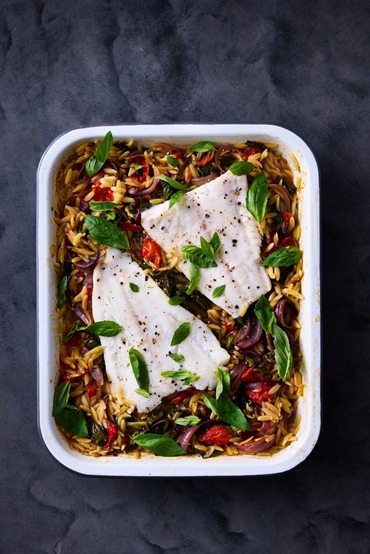
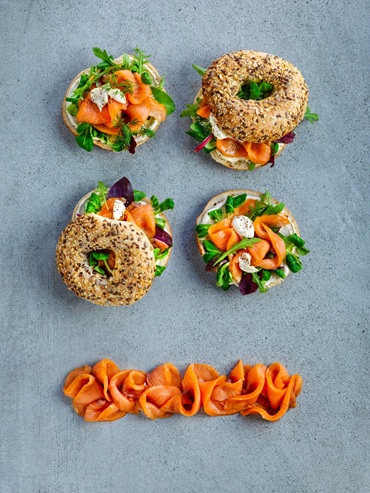 The wider protein category continues to grow strongly, with UK protein food sales up 9.6% 3, while Ocado has recorded a 20% YoY increase in searches for “natural protein” 4 alongside growing interest in familiar protein-rich foods, including seafood.
Against this backdrop, NSC says the wider protein category offers useful lessons for seafood in retail around how nutritional benefits are communicated simply and clearly to consumers. Rather than positioning seafood against supplements or fortified products, the focus is on helping consumers better understand the broader value seafood already provides – delivering high-quality protein alongside a wider range of nutrients as part of the same food, which may be increasingly relevant as household food costs remain under pressure 5.
NSC UK Country Director, Bjørn-Erik Stabell, says: “The protein category has been extremely successful at making one benefit simple and visible, and seafood can learn from that by making its own protein credentials – alongside wider nutrition, provenance and origin – easier for consumers to recognise on shelf and online. Norwegian fish already provides high-quality protein naturally, alongside wider nutrition and a strong provenance story.
“The opportunity is to make that complete value clearer to consumers, rather than creating an entirely new proposition around seafood.”
Raw salmon from Norway contains around 20g of protein per 100g, while cod contains 17.4g per 100g 6. But the nutritional value of Norwegian seafood goes beyond protein alone.
Registered dietitian and nutrition consultant Juliette Kellow considers seafood a ‘protein plus’ food: “It’s protein plus many other nutrients including omega-3, vitamin D, selenium, iodine and potassium. That’s beneficial as a significant number of people in the UK have very low intakes of these nutrients 7, so are at a greater risk of suffering diet deficiencies. For example, 13% of adults have very low intakes of iodine, 28% potassium and 45% selenium – all nutrients that are found in good amounts in protein-rich fish such as cod, haddock and saithe. Oily fish such as salmon are also packed with vitamin D, which is needed for bones, muscles and the immune system, and omega-3 fats, which help the heart to function normally.
“Added to this, when you compare seafood to some other types of animal proteins, you also have a protein minus – protein minus the saturated fat. On average, UK adults have too much saturated fat in their diets, which can increase cholesterol and the risk of heart disease 8. White fish and shellfish like prawns are all low in saturated fat making them a great choice for keeping intakes down while still packing in protein and a variety of vitamins and minerals.”
Seafood can also fit naturally across protein-seeking occasions, from everyday lunches and dinners to health-led and post-exercise meals, giving the industry an opportunity to make more of the nutritional value already present in fish, into their everyday diets.
Convenience is also key, with high-protein ready-meal ranges increasing their presence across UK supermarkets. With NSC research finding 78% of consumers are drawn to meals that contain visibly healthy ingredients such as seafood 9, retailers have an opportunity to further develop ranges such as ready-to-cook marinated seafood, fillets accompanied by sauce sachets and seafood-focused ready meals.
Provenance strengthens that proposition further, with NSC research showing that 71% of UK consumers say origin labelling influences their seafood purchases and 62% say clear origin labelling impacts their choice of retailer 10. For Norwegian seafood, this combines strong nutritional credentials with a clear origin story built around traceability and responsible sourcing.
Simon Dwyer, CEO, UK Seafood Federation, says: “Norwegian seafood plays an important role in the UK supply chain, and there is a strong growth opportunity if we collaborate as an industry to ensure seafood is a wider part of the protein conversation. Clearer communication around protein, nutrition, origin and provenance can help UK consumers better understand the full value of the seafood they buy.”
Looking ahead, protein also highlights the importance of staying close to changing health priorities. With NSC’s latest market analysis showing fibre-based foods grew by more than 14% in 2026 1, trends such as gut health and fibre are already gaining momentum – reinforcing the need for retailers to understand where seafood can credibly contribute to the next consumer conversation.
Sources:
- Norwegian Seafood Council UK Retail Research 2026
- Circana, GB Out of Home Seafood Consumption 2025
- NielsenIQ, 26 weeks to February 4, 2026
- Ocado Retail, March 2025
- ONS Consumer Price Inflation
- NSC’s Top Seafood Consumer Trends 2025
- Gov.UK. National Diet and Nutrition Survey 2019 to 2023. Published 11 June 2025
- NHS. How to eat less saturated fat
- Norwegian Seafood Council Market & Retail Trends 2026
- Norwegian Seafood Council UK whitefish research
Comments are closed.