


A pallet of grocery stock can pass through several pairs of hands before it reaches a depot, a store or the end customer. Every handover – dispatch, transport, goods-in, warehouse handling and store delivery – is a point where it becomes harder to say the goods arrived untouched. For UK retailers, wholesalers and supply-chain operators, protecting product integrity is less about buying a single security product and more about building visible, documented controls into each stage of the journey.
 This article sets out a practical framework: where tampering controls belong in the supply chain, how to choose the right seal or identification product, and what to do when something does not match.
Why is product integrity harder to track across multiple handovers?
In a typical grocery supply chain, responsibility for a consignment changes several times. A supplier loads the vehicle, a carrier moves it, a depot receives it, a warehouse team reshuffles it, and a store signs for it. Each transfer is a potential blind spot. If a case is opened, contents are removed or packaging is swapped somewhere along the route, it can be difficult to establish where it happened – and therefore who is accountable.
Tamper-evident controls address this by making interference visible rather than invisible. These controls cannot physically prevent access in every scenario, but they can leave clear evidence when access occurs and anchor that evidence to a specific point in the chain. Seals and labels work best as part of a documented checking process, not as a standalone guarantee of integrity – new label and anti-counterfeiting requirements also mean that processes need to be adapted accordingly.
Where should retailers place tampering controls in the supply chain?
The most effective approach is to map controls to the real flow of goods. Typical control points include:
- Dispatch: sealing outgoing pallets, cages, roll containers or vehicles so that any opening before arrival is visible.
- Transport: securing trailer doors, curtain-side access points and container doors, particularly on longer or multi-drop routes.
- Goods-in at the depot: checking seal numbers against delivery documentation before accepting stock into the building.
- Warehouse storage and handling: protecting high-value or high-risk lines in controlled areas, and sealing totes or cages used for internal movements.
- Store delivery: verifying seals at the point of handover so store teams can confirm the load arrived as it left the depot.
Not every consignment needs the same level of control. The sensible starting point is a risk assessment: which products, routes and handovers carry the greatest exposure to tampering, theft or diversion, and where would visible evidence add the most value?
How should teams choose the right seal or identification product?
Selection should be driven by the application, not by habit. Procurement and operations teams comparing options should consider the following criteria:
- Point of application: a trailer door, a pallet band, a tote box and a cash or document bag each demand a different format.
- Visibility of interference: the product should show clear, unambiguous evidence if it has been opened, cut or reapplied.
- Unique identification: sequential numbering, barcodes or custom printing allow seals to be logged and checked against records.
- Ease of checking: staff at goods-in or store delivery need to verify a seal quickly, without specialist tools.
- Single-use versus reusable: single-use seals suit one-way shipments; reusable options can work for closed-loop cage or tote movements.
- Material and asset compatibility: the seal must fit the locking point and withstand the conditions of the route, including temperature and handling.
Matching the product to the application can reduce false alarms, support faster checks and make the control process more credible to the teams running it.
Where does a specialist supplier fit into this control process?
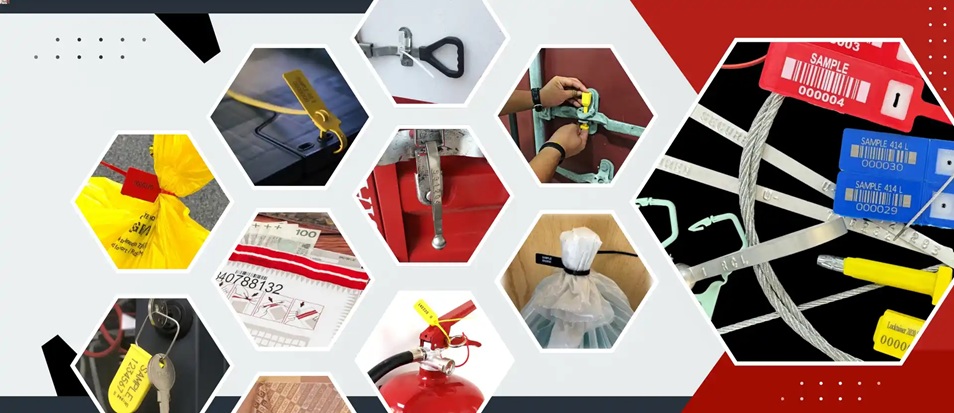
Security products are components of a wider process, but the quality and breadth of the range still matter. Different control points call for different solutions – indicative plastic seals for roll cages, higher-strength cable or bolt seals for trailers and containers, tamper-evident labels and tapes for cartons, and printed identification products for traceability.
Specialist suppliers focus specifically on these categories rather than treating them as a sideline. Universeal UK describes itself as a security seals and tamper-evident packaging specialist supplying sealing, labelling, transport protection and identification products for logistics and other operational environments. Retailers reviewing their options can compare formats such as tamper proof security seals against the specific control points identified in their own supply chain. Buyers should verify product suitability before committing.
What should teams do when a seal is broken, missing or mismatched?
A seal is only useful if there is a clear, agreed response when something looks wrong. While every business will have its own internal procedures, a cautious exception process typically includes the following steps:
- Hold or segregate the affected goods in line with internal rules, rather than releasing them into stock or onto shelves.
- Record the seal number, shipment reference, vehicle details and any visible signs of interference.
- Notify the responsible contact – for example the depot manager, transport provider or supplier – so the discrepancy can be investigated.
- Document the outcome, including whether the goods were accepted, rejected or returned, and any corrective action agreed.
This documented response turns visible tampering into usable chain-of-custody evidence and makes anomalies easier to log and investigate.
What should procurement and operations teams check first?
For businesses reviewing or introducing tampering controls, a short prioritised checklist helps translate the framework into action:
- Define the control points for each site and route, based on a realistic risk assessment.
- Decide how seal numbers and identifiers will be recorded and cross-checked at each handover.
- Assign clear responsibility for checking seals at goods-in and store delivery.
- Trial the chosen seal or packaging format in live conditions before rolling it out widely.
- Agree the exception process with all teams involved, so a broken or missing seal triggers a consistent response.
These steps can help standardise the process and make tampering easier to trace.
FAQ: protecting goods from tampering across the supply chain
What is the purpose of a security seal in a grocery supply chain?
A security seal makes tampering or unauthorised access visible and supports a controlled checking process at each handover, helping teams identify where interference may have occurred.
Where in the supply chain should tamper-evident controls be used?
At relevant access points such as dispatch, vehicle and trailer doors, pallets, cages, containers and storage areas – wherever the business’s own risk assessment identifies meaningful exposure.
Are all security seals interchangeable?
No. The right choice depends on the application, the level of tamper evidence required, identification needs, checking routines and whether a single-use or reusable format is appropriate.
What should a team do if a seal is missing or does not match records?
Follow the internal exception process: hold the affected goods, document the seal and shipment details, inform the responsible contact and record the final decision.
Do security seals alone guarantee product integrity?
No. Seals are one component within a broader handling and traceability process. Their value comes from being combined with documented checks and a clear response to discrepancies.
For grocery retailers and wholesalers, the practical takeaway is straightforward: tampering risk is best managed as a connected chain of visible controls, not as a one-off product purchase. When seals, labels and tamper-evident packaging are matched to real control points and backed by consistent checking and documentation, product integrity becomes something the business can demonstrate – not just assume.
Comments are closed.