


- Social media drives career decisions for one in three young people
- 59% of 16–24-year-olds find manufacturing interesting, yet only 4% of young people today see it as a top career choice
- 85% say they are confident problem solvers and 83% say they’re creative, but fewer than half associate these skills with manufacturing
- Healthcare (20%), creative industries (16%), education (15%), retail (12%), and technology (11%) dominate young people’s career ambitions – with engineering (9%) ranking higher than manufacturing (4%)
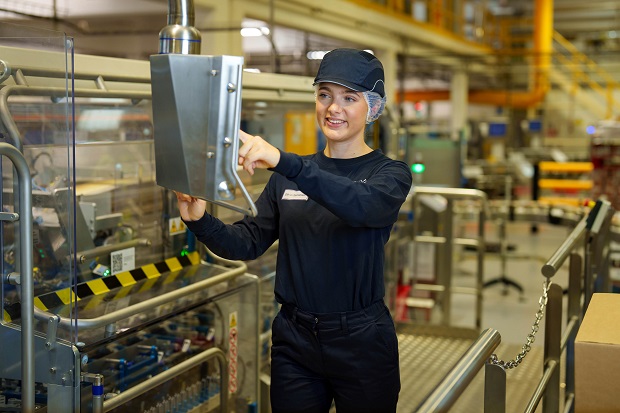 Despite the manufacturing sector contributing £518 billion to the UK’s economy and supporting over 7 million jobs[1] Britain’s manufacturing sector faces a visibility challenge that has the potential to become a future talent problem, according to new research commissioned by Nestlé, which supports over 42,000 jobs across the UK economy.
The study of 2,000 young people, aged 16-24 years-old, found that just 28% believe manufacturing still happens in the UK, but most people rarely see or hear about it, whilst three in ten think most production has moved overseas entirely.
Nearly a third (33%) of young people turn to social media platforms like TikTok, YouTube and Instagram for career inspiration, making it the single biggest influence on their future plans. A fifth of young people (22%) say their career choices are influenced by TV shows like Mad Men, the advertising period drama, and Industry, the TV show about investment banking.
When it comes to choosing a career path, while three in five (59%) young people find manufacturing careers interesting, and one in five (21%) see it as important, fewer than 1 in 20 (4%) would actually pursue one. The research found that a career in manufacturing fails to make the top ten career choices altogether, with young people more than twice as likely to choose engineering instead (9% vs 4%), despite high quality and digitally led roles being widely available in the sector.
Looking at the most popular career choices, a job in healthcare (20%), creative industries (16%) and education (15%) top the wish list. Young people rank manufacturing workers as less impactful on everyday life than engineers, scientists, or even social media creators.
The research shows the barrier isn’t skills – 85% of young people express confidence in problem-solving and teamwork, while 83% rate themselves highly in creativity. But with only 35% associating the word “creative” with manufacturing jobs today, and under half (48%) connecting these roles with problem-solving, the findings reveal a direct mismatch between today’s reality and past assumptions.
The research shows exposure changes everything. Nearly half (48%) say they would be more interested if they saw real-life examples of modern factories in action, while the same number would reconsider if they understood the impact these jobs have on everyday life.*
Richard Watson, CEO of Nestlé UK & Ireland, said: “Young people today are confident, creative problem solvers and full of potential. They have the skills that modern manufacturing needs, but there’s a perception gap we need to close.”
“From apprenticeships to graduate programmes and roles across design, innovation, technology and operations, these careers don’t require everyone to follow the same route. At a time when job opportunities for young people and skills shortages are high on the government agenda, manufacturing offers something concrete: diverse opportunities for young people from all backgrounds.
ENGAGING WITH YOUNG PEOPLE THROUGH APPRENTICESHIPS IN MANUFACTURING
Olivia Tomlinson is a third-year Packaging Degree Apprentice at Nestlé’s Dalston factory in Cumbria. In her role, she blends hands-on experience on packaging innovation and sustainability working at one of Britain’s most iconic coffee brands with academic learning.
Speaking about her route into the industry, she said: “I was studying art and design when I started questioning what happened to the packaging on products I was buying. That curiosity brought me here.”
She now works closely with packaging projects and has been shortlisted for a national Circularity Champion award. “I walk around the factory seeing opportunities for improvement everywhere – something I never would have imagined doing a few years ago.”
TOP FIVE TIPS TO GET A CAREER IN MANUFACTURING
1. Start with the brands already in your life: Open your kitchen cupboard or scroll through the products you use daily and chances are, many are made right here in the UK. Companies like Nestlé offer apprenticeship schemes. Head to brand careers pages and search “early careers” or “apprenticeships” – if you already love the brand, applying feels a lot less daunting.
2. Find out what you need to get in: You might be closer than you think. Most manufacturing apprenticeships ask for GCSEs in Maths and English (grades 4-9), while technical roles often welcome BTECs, T-Levels or A-Levels in STEM subjects and wider. Check a few job descriptions now and you might realise you’re already there, or you’ll know exactly what to aim for.
3. Make the most of work experience opportunities. There are different ways to access work experience and work shadowing. Sector campaigns, such as the Institute of Grocery Distribution’s ‘Mmmake your Mark’ campaign, help raise awareness of the career opportunities available across the industry. Additionally, your college or university might be partnering with a manufacturer in your local area. You can also stay close to a company’s online communications, some companies offer virtual work experience or publish experiential videos, such as Nestlé’s ‘Amazing Machines’ content series on YouTube.
4. Use the right platforms to search: Bookmark www.gov.uk/apply-apprenticeship and RateMyApprenticeship.co.uk – both let you filter by industry, location and entry requirements. Set up job alerts so opportunities land in your inbox. Apprenticeship applications often open months ahead of start dates, so the earlier you start looking, the better.
5. Message someone who’s already doing it: This sounds awkward, but it works. Search LinkedIn for “manufacturing apprentice” or “engineering apprentice” and send a polite message asking about their experience. Most people are happy to share what surprised them, what they wish they’d known, and how they got their foot in the door. Real advice beats a job description every time.
Comments are closed.