


World Foods continues to stand out as one of the most dependable growth engines in UK retail, having evolved from a specialist niche into a mainstream fixture.
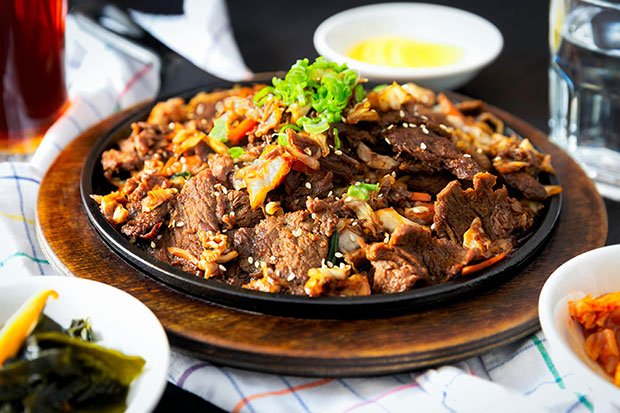
Driven by demographic change and a growing appetite for bold, authentic flavours, global cuisines are now firmly embedded in everyday shopping habits.
From a cuisine perspective, West African, South Asian (notably Korean) and Latin American foods are among the fastest-growing segments, reflecting both the UK’s increasing cultural diversity and wider consumer curiosity fuelled by social media, street food and viral food trends. Platforms such as TikTok are playing an increasingly influential role in shaping demand, helping turn certain products into genuine grocery hero SKUs. George Phillips, Commercial Director at Wanis, comments: “At a product level, rice remains a cornerstone of the category, with around 88% of UK households consuming it regularly. Easy-cook formats continue to perform strongly, with sales of Tropical Sun Golden Sella rice continuing to grow exponentially, while flavour-led products are accelerating growth as we see an increase in volume sales across Tropical Sun sauces, marinades, seasonings and spice blends as shoppers look for simple ways to recreate global dishes at home.”
Beverages are also contributing to momentum. The rise of electrolytes and hydration as a consumer trend has supported continued growth in Tropical Sun coconut water, particularly canned formats, which are increasingly viewed as better-for-you alternatives to traditional soft drinks.
Meanwhile, world-inspired snacks such as plantain and cassava chips continue to thrive in convenience and impulse, offering an easy entry point to global flavours. For independents, a well-curated World Foods range remains a powerful way to drive footfall, loyalty and basket spend.
Mediterranean, East Asian, Caribbean and parts of African and Latin American cuisines are often associated with lighter cooking methods, plant-forward dishes and naturally flavourful ingredients with more emphasis on cooking from scratch with fresh ingredients and herbs and spices, rather than heavy sauces or processed components.
This perception is translating into retail demand as shoppers gravitate towards products such as rice, pulses, beans, spices, chilli, ginger, turmeric and coconut-based ingredients.
Beverages are another key area. Products like coconut water are increasingly positioned as better-for-you alternatives to traditional soft drinks, benefiting from trends around hydration, electrolytes and reduced sugar. For retailers, this “health halo” around certain world cuisines presents a clear opportunity. Merchandising world foods not just for authenticity and flavour, but also for everyday wellness and balanced eating, can help broaden appeal well beyond core ethnic shoppers and drive more frequent purchasing.
“Multiple retailers can grow sales of World Foods by moving the category from a niche add-on to a clearly signposted destination, making it easy for shoppers to buy into the trend. First, range clarity is key. Shoppers want reassurance, which retailers can provide by stocking trusted and well-known World Food brands, such as the UK’s number 1 World Food brand, Tropical Sun. Hero SKUs should sit at the heart of the offer, supported by carefully chosen secondary lines that reflect local demographics and emerging cuisines,” advises Phillips.
“Second, merchandising matters. World Foods performs best when grouped together rather than fragmented across aisles. Clear navigation, strong shelf signage and themed bays (for example by cuisine or usage occasion) help shoppers discover new products and trade up.
“Third, retailers should lean into education and inspiration. Simple recipe cues, meal solutions and cross-category linking (rice with sauces, marinades with proteins, snacks with drinks) reduce barriers to trial and encourage bigger baskets. Promotions timed around cultural events and seasonal moments also help drive relevance and frequency.
“Finally, health, flavour and convenience should be front and centre. Shoppers increasingly associate World Foods with bold taste, everyday cooking solutions and better-for-you choices, particularly in categories like rice, spices, sauces, snacks and functional drinks. Done well, World Foods can deliver incremental sales, attract younger and more diverse shoppers, and drive repeat visits — making it a valuable growth lever for multiple retailers.”
Growth in World Foods is being driven by several interlinked trends. From a cuisine perspective, West African, South Asian (including Korean) and Latin American foods are among the strongest-performing and fastest-growing segments, reflecting both demographic change and rising mainstream interest in new flavours.
At a product level, rice remains a cornerstone of the category, with around 88% of UK households consuming rice regularly. Social media platforms such as TikTok have played a role in accelerating interest, with Tropical Sun Golden Sella rice becoming a standout performer this year and a genuine grocery “hero” SKU.
One of the most prominent consumer trends in 2025 has been electrolytes and hydration, supporting continued growth in Coconut Water. Tropical Sun’s canned Coconut Water formats are performing particularly well, suggesting consumers increasingly view Coconut Water as a better-for-you soft drink alternative, rather than solely as a health-and-wellbeing product.
Consumers are also increasingly dialling up flavour, using sauces and marinades as an accessible way to explore world cuisines, alongside core seasonings and spices to recreate authentic global dishes at home. Snacks remain a long-standing strength in convenience and impulse retail, with World Snacks such as Coconut Peanuts and Plantain Chips continuing to thrive as an easy entry point to global flavours.
Social media doesn’t just spotlight specific dishes, it shapes how people think about food by making global flavours desirable, accessible and visually engaging. For independent retailers, this means when a world-food ingredient starts trending online, it can quickly translate into in-store demand.
Emerging consumer trends are shaping the next phase of growth in World Foods, and retailers that respond early are likely to benefit. One of the biggest shifts is the move towards everyday global cooking. Shoppers are no longer reserving world cuisines for special occasions; instead, they’re using global flavours as part of their weekly meal routine. This is driving demand for simple, versatile ingredients such as rice, sauces, marinades, seasonings and spice blends that deliver flavour without complexity.
Functional benefits are also rising up the agenda. Products associated with hydration, digestion and wellness, including coconut water, electrolyte drinks, teas and plant-based ingredients are increasingly being sought out within the World Foods space, blurring the line between indulgence and health.
Another key trend is snacking with purpose. World-inspired snacks, from plantain chips to coconut-based treats, are appealing to shoppers looking for flavour, texture and something different from traditional crisps, particularly in convenience and impulse missions.
Social media continues to accelerate discovery. Viral dishes, ingredients and cuisines can move quickly from niche to mainstream, meaning retailers need to stay agile and be prepared to back emerging hero products. Finally, consumers are showing a growing interest in authenticity and provenance, wanting to know where food comes from and how it’s traditionally used. For retailers, clear signposting, trusted brands and a well-curated range are key to unlocking this next wave of World Foods growth.
Recent launches continue to reflect the breadth and diversity of the World Foods category. These include Tropical Sun Natural Coconut Water, Tropical Sun Honey Jerk Seasoning and Tropical Sun Green Seasoning, all of which are trading well.
The latest addition to the range is Tropical Sun Soy Drink, positioned as a drink in its own right rather than a traditional dairy alternative. Wanis has also launched a new range of functional teas, including Cold & Flu variants.
Other notable launches include Tropical Sun Hot Honey, Organic Acacia Honey, and a premium Drinking Chocolate made with West African cocoa.
Tropical Sun remains the leading brand distributed by Wanis and continues to perform strongly within the World Foods category. The brand has grown into a £55m+ retail sales brand, underlining both its scale and its relevance across an increasingly broad consumer base.
Its positioning as a truly international food brand, delivering authentic flavours from across the globe, continues to resonate with both retailers and consumers.
Best-selling products across the Wanis portfolio reflect both staple demand and flavour-led growth. Tropical Sun, the UK’s leading World Food brand, continues to perform strongly, with key lines including Golden Sella Rice, Coconut Water (with “with pieces” variants outselling natural), Plantain Chips and Milk Powder.
Within Tropical Vibes, the 1L tetra format is performing particularly well, while core bottled flavours such as Fruit Punch, Mango Carrot and Ocean Blue continue to deliver consistent sales. The Tropical Sun tea range is also accelerating following its re-design, supported by growing consumer interest in health and wellbeing and recognition through Great Taste Awards.
Tropical Sun remains the leading brand distributed by Wanis and continues to perform strongly within the World Foods category. The brand has grown into a £55m+ retail sales brand, underlining both its scale and its relevance across an increasingly broad consumer base.
Its positioning as a truly international food brand, delivering authentic flavours from across the globe, continues to resonate with both retailers and consumers.
“World Foods offers a significant opportunity for wholesalers, but success depends on range clarity and relevance. The category’s breadth can be challenging, particularly for those new to it, making a well-defined core range essential,” suggests Phillips.
“Location and local demographics remain critical. A strong foundation of proven best sellers should be supported by additional lines tailored to the customer base served. Authenticity remains key, with consumers increasingly seeking genuine flavours, quality and provenance.”
In 2026, Tropical Sun celebrates its 30th anniversary and this milestone will be supported by an increased investment in a comprehensive, multi-channel marketing programme. This includes targeted radio advertising, outdoor formats such as billboards, 6-sheets and bus sides, branded shopfronts for independent retailers, in-store sampling and demonstrations, and sponsorship of key cultural events.
The brand also maintains a strong social media presence, working with influencers to engage consumers and reinforce the World Food message.
“World Foods performs best when treated as a destination category. Where space allows, grouping World Food products together improves visibility and enables retailers to carry a broader, more effective range,” advises Phillips.
“Stocking key World Food brands, supported by a strong core range of best sellers, builds confidence for consumers. Effective merchandising and regular promotion are essential, particularly given the important role retailers play as advocates for the products they stock.”
Wanis works in close partnership with retailers to maximise World Food sales. This includes a dedicated merchandising team who work with retailers on their instore displays and supporting retailer with branded shop signage, canopies and window displays. Wanis regularly promotes selected drive lines, increasing the availability of price-marked packs, and offering smaller case configurations suited to independent retailers.
As a one-stop shop for World Food brands, Wanis also sources specific products for customers where required and continues.
Shezad Aslam, Managing Director of Aagrah Foods, comments: “With more than half of British consumers (54%) now cooking from scratch more often (Mintel), there’s a growing opportunity for brands to inspire shoppers with authentic and exciting world food ingredients.
“Premiumisation is shaping the world cuisine category more than pure adventure. Shoppers are increasingly discerning, rejecting mainstream sauces they perceive to be lacking depth, overly processed, and of poor quality. With hospitality still under pressure, brands that deliver a credible ‘fakeaway’ are the ones enjoying growth; restaurant-quality Indian cooking sauces are having a moment, as shoppers trade across from their favourite curry house, seeking authentic, premium Indian cooking sauces that help them recreate the restaurant dishes they love, at home.”
Pre-family and young families tend to stick to the dishes they know and love, like Tikka Masala and Butter Chicken, whereas older or post-family shoppers are more likely to explore the more adventurous flavours. And while there’s a niche consumer curiosity for lesser-known regional Kashmiri dishes, the majority are still comfort-driven. Aagrah Foods has seen this trend play out directly, with sales of its Indian cooking pastes up more than 40% year-on-year. Aagrah Tikka Masala remains the runaway success (+50% yoy), while the recently launched Aagrah Butter Chicken is already Aagrah’s second best-selling paste after Tikka Masala. One of Aagrah’s best-selling products is the Tikka Masala cooking sauce – a creamy and aromatic fusion of a rich tomato base and warming spices. It’s the most popular due to its high recognition factor – Tikka Masala is a dish shaped by British taste and it’s become a cultural symbol for multicultural Britain.
It’s also an anchor for the category. It brings customers into the category and into the brand – they are then inspired to go on to explore more regional and bolder flavours such as Hydrabadi and Achari.
The latest addition to the Aagrah Tarka portfolio is the vegan-friendly Butter Chicken Tarka Paste, which originates from Delhi and delivers an aromatic smooth and creamy tomato base with a hint a fenugreek. Made with slow-cooked onions, tomatoes, garlic, ginger and Aagrah’s signature blend of spices, it has a gentle heat and subtle sweetness without the spice of a Hydrabadi or Lahsen and is ideal for consumers seeking premium, restaurant-quality results at home without the complexity of cooking from scratch.
All Aagrah’s pastes are cooked using the Tarka method, just as an Indian chef would cook them in a restaurant by first frying the spices on a high heat. This ensures that the pastes are punchy and packed with flavour to rival any Indian restaurant.
Unlike a finished curry sauce, which offers a heat-and-serve solution, a Tarka paste provides the foundation for a freshly cooked dish. It allows consumers to engage more in the cooking process while delivering consistent, authentic flavour and giving consumers the flexibility to customise their own recipes.
In the multiples, Aagrah is growing distribution rapidly as well as like-for-like sales being up by approximately 30%.
“Brands need to think beyond just the staples. Consumers are increasingly seeking greater authenticity and higher quality, but they also want convenience, which means authentic meal solutions that are easy to prepare,” adds Aslam.
“Retailers need to think about variety in their ranges and ensure they’re offering consumers something different. While the staples will continue to drive the highest volumes, variety and choice are what will stand out for consumers.”
“We’re doing lots of work with the multiples to drive brand awareness and trial for our products. We know once somebody tries our product, they usually love it and repeat purchase is high, so our focus is on getting more and more first-timers to try Aagrah products through a combination or sampling, shelf activation and digital activations,” Aslam continues.
“Stock a broad, well-curated range to give shoppers plenty of variety and choice, such as a good combination of the core staples and some exciting growth SKUs. I would also like to see retailers educate and sample where possible, especially for less familiar cuisines.”
Dan Sparshatt, Sales Director at Golden Acre Foods, comments: “World Foods in supermarkets is approaching a £1bn category.
“Authenticity is helping to drive growth, particularly among Indian and Pakistani brands from their home markets.”
Indian and Asian cuisines still dominate the market and there is an increasing interest in South Asian food and drink, with more mainstream consumers discovering the products from the region. Exciting food and drinks from Korea, Thailand, Malaysia and Japan are gaining huge popularity. Consumers are discovering drinks like Soju from Korea and 100Plus from Malaysia. These launched into supermarkets recently and are drawing in a new generation of culturally conscious consumers to the World Foods fixture.
Many South Asian world foods also naturally align with today’s demand for healthy, vegetarian options. Golden Acre Foods’ Suhana single-serve Indo-Chinese meals launched in 2025 deliver on that trend with their delicious combinations of rice and sauce that are full of flavour and made with clean-label ingredients, as well as being great value for money. They are widely listed in Tesco and build on the “Easy Meals” category that was launched last year by offering an easy, affordable choice for shoppers looking for something healthy, nourishing and satisfying.
Indo-Chinese food is growing every month, and Golden Acre Foods is developing more exciting products to grow the Suhana range. Indo-Chinese is a vibrant, mouthwatering fusion that brings together the bold flavours of India spices with the rich, savoury notes of Chinese cooking. It’s the kind of food that instantly excites your senses – with the sizzle of stir fries, the warmth of garlic and ginger, and the kick of chilli. Dishes like crispy chilli paneer, spicy Manchurian, and smoky Hakka noodles are comforting yet full of energy and spice.
Some of Golden Acre Foods’ best-selling products are in the Jaimin range of traditional Indian snacks, from Bombay Mix to traditional Softy Chakli.
In collaboration with Ashoka, Golden Acre Foods recently launched a new range of Indian meal combos featuring vegetable curry and rice pouches. These ambient, ready-to-heat options are crafted with a clean ingredients deck and are 100% vegan. They offer shoppers great value, fuss-free, yet flavour-rich meal occasions.
Dishes such as Punjabi Chloey with Basmati Rice, Tadka Dal with Jeera Rice and Dal Makhani with Biriani bring authentic world flavours to midweek mealtimes. Perfect for a quick and easy lunch when working from home or busy households looking to add variety with minimal effort.
In autumn 2025 Golden Acre Foods also extended its Najma halal cooked meat brand with the introduction of three new products: wafer-thin chicken slices, spicy pepperoni slices and southern fried breaded chicken fillets.
These launches reflect the brand’s strategy to bring both familiarity and innovation to the category. Chicken remains the UK’s most popular protein. The brand has created accessible formats that work for lunchboxes, sharing boards and weeknight dinners.
Jaldee Eats, the on-the-go halal snacking range, also expanded in 2025 with new Spicy Turkey Bites which offer a high-protein snack for children and adults, with convenience at the heart of the offering. With 3.9 million Muslims living in the UK and demand growing fast, Golden Acre Foods continues to lead with category breadth, retail partnership and trusted innovation.
The Najma halal brand, which is the anchor of the £25 million chilled halal meat category, holds a 60% value share in grocery multiples.
Golden Acre Foods has also seen exceptional growth in its range of Jaimin Indian snacks. These are a wide, varied range of traditional snacks made in Gujarat, India. They offer consumers a range of textures, flavour and spice. The Dry Fruit Samosa is a sweet, spicy treat item, whilst the Sesame Chikki is a high quality sesame snack made with jaggery, a traditional unrefined sugar that gives a delicious caramel flavour to the snack.
The best-selling Suhana spice mix is the Suhana Butter Chicken mix, which is growing over 100% year on year. This product delivers a restaurant quality dish which is growing in popularity and is extremely cost-effective at just £1 per packet. This means the Friday night “Fake-away” is just a fraction of the price of ordering food in or eating out.
“Consumers are increasingly looking for authenticity when they shop the world food aisle, as well as exploring new and interesting flavours from up and coming cuisines for a variety of meal occasions. Innovation with authenticity is how retailers and the brands they work with can stand out,” advises Sparshatt.
“Retailers need to ensure they work with suppliers like Golden Acre to leverage consumer insight, category expertise and meaningful formats to deliver products that serve real, everyday needs – from lunchbox staples to modern world flavours. We consider that a recipe for success.”
“There are a number of things retailers should be doing in order to maximise sales, one of them being understanding changing shopper needs and ensuring their world food offer reflects this and is designed to meet consumer needs, specifically around product range, authenticity and trusted brands,” suggests Sparshatt.
“This includes having an informed understanding of the UK’s changing population and what that means both on a national level, but also regionally and even store-specifically.
“Supermarkets and world food suppliers also need to work in close partnership to identify current food trends, ensuring there are products on offer to satisfy consumers wanting to experiment in popular cuisines they may have heard about on TikTok, on TV cooking programmes or on Instagram for example.
“Promoting themed weeks and creating specific world food events, both instore and online, help to driver shoppers to the world food aisle and satisfy their need for authenticity and familiarity. Not only that, it creates an opportunity for price-conscious consumers to shop a category where items such as rice, herbs and spices are available at a price differential to their respective mainstream categories.
“For example, the popularity of South Asian cuisine, specifically Indian and Pakistani, continues to be hugely significant in the UK, not just reflecting the population’s ever-changing demographic but also due to wider, more mainstream understanding of South Asian culture, religious festivals and authentic cuisine. Retailers that acknowledge this and create instore and online events which profile authentic products coinciding with Ramadan and Diwali for example can expect more consumers to be drawn to the world food fixture, with a knock-on effect on sales.”
Golden Acre Foods supports its extensive portfolio of brands with a range of in store, social and outdoor marketing activations.
The company is supporting its brands across social, PR and outdoor channels to ensure world foods feel visible in store and online. With pre-shop activation critical, the campaigns are designed to create interest and familiarity before consumers even reach the aisle.
Golden Acre Foods works closely with leading retailers, including Tesco, Asda, Sainsbury’s, and Morrisons, to help them respond to shifting market dynamics, emerging trends, and changing demographics and by doing so maximise sales.
“As world foods continue to evolve from niche interest to kitchen essential, we’re proud to be at the forefront of bringing exciting, inclusive innovations to supermarket shelves,” says Sparshatt.
“We’ve made it our mission to deliver authentic world food products that align with modern convenience and consumer values, whether it’s a curry pouch or a lunchbox filler, our brands are delivering products people can trust.”
World foods and category expert Golden Acre Foods is relaunching Ashoka, one of the UK’s most trusted South Asian and ethnic food brands, with a fresh new look and a clear message: Made for Desis, by Desis. With decades of loyalty among South Asian communities and a growing footprint in mainstream retail such as Tesco, Ashoka is entering a new phase designed to drive better shelf standout, deepen cultural resonance and expand its appeal among younger shoppers.
The refresh includes a more premium, unified packaging across Ashoka’s frozen, ambient and pickle ranges which reflects the bold, flavourful experience inside, while reinforcing Ashoka’s updated positioning. “This isn’t just a facelift,” comments Rebecca Cutter, Marketing Director at Golden Acre Foods. “Ashoka has always been a category leader and all about flavour and authenticity. The new look helps us to tell that story more clearly and helps to better connect with a new generation of shoppers.”
Ashoka’s relaunch is backed by a nationwide integrated marketing campaign with activity planned across TV, OTT platforms, YouTube and other digital media, retail and outdoor. The focus is on areas with strong South Asian communities and the goal is to drive awareness, trial and repeat purchase.
Activity includes TV, YouTube, and outdoor ads, messaging tied to food rituals and festivals, in-store and online activation to boost visibility and sales, diaspora-led content, influencers, and UGC and sampling and recipe content to drive trial.
Ashoka’s range, which spans handmade parathas and samosas to ready to eat biryanis, meal kits, pickles and chutneys, continues to deliver bold and authentic taste and flavours, now with a refreshed look that is ready to lead growth in the ethnic and world foods aisle.
Akash Mittal, Brand Manager (World Foods) at leading speciality food importer and distributor Empire Bespoke Foods (EBF), comments: “World food is no longer a niche market – there is a clear link between the increase of at-home occasions and the type of cuisine on our plates. Cuisine-curious, time-poor consumers are becoming increasingly adventurous, looking for bold, authentic flavours and regional diversity, especially with the rise of at-home cooking occasions – but they’re also seeking quick inspiration and involved preparation through scratch cooking within world foods.
“A strong range of world food product formats and a balanced array of cuisines can perform particularly well in this channel. Nearly half of world food sales are coming from cooking sauces and pastes, condiments and ingredients while ready to eat meals are also gaining more sales which demonstrates a balance between scratch cooking and convenience (Kantar).
The popularity of cooking Japanese food at home is on the up, partly due to the perceived health benefits of the cuisine but also because of consumer familiarity with dishes like ramen noodle and Miso soups and the relative ease with which it can be prepared.
In addition to Japanese, there is also growth in other Asian cuisines including Vietnamese (both growing at 15%, Kantar), Thai (growing at 10%, Kantar) Korean (21% of sales are coming from NPD within Korean world food, Mintel), Singaporean, and Filipino. Niche cuisines such as Malaysian, Sri Lankan and Lebanese are also increasingly popular.
With the overall value of packaged world foods now estimated at £1.4bn, growing at 10%+ (Kantar), the category’s worth has surged as consumers seek both authenticity and accessibility through at-home restaurant-style experiences that fit into busy lifestyles.
“Innovation in ready-to-eat and heat-and-eat formats, combined with the rise of premium sauces, condiments and fusion products, is also redefining how world foods are perceived,” adds Mittal. “This evolution positions the world food category not just as a trend, but as a key pillar of modern convenience blending flavour exploration with ease and speed – we see how this is playing out as retailers continue to improve their world food aisle with more products and more shelf space than ever before.”
Empire Bespoke Foods’ Master Cook range of products features Japanese, Korean, and Indian cuisines and has been developed with chefs with an in-depth understanding and appreciation of aromatic ingredients and traditional culinary techniques, to deliver authenticity of flavour, texture and appearance.
The Thai Taste range of products are made in Thailand, bringing alive the growing consumer preference for authenticity of origin. Thai Taste offers more than 40 products in multiple formats: Thai curry cooking paste, Thai meal kits, rice & noodles, sauces and ingredients.
S&B is an iconic Japanese brand and one of the very few world food products authentically made in Japan. Its range of products are made from premium ingredients capturing the traditional flavours of Japanese cuisine.
Empire Bespoke Foods’ in-depth experience of world foods, coupled with an understanding of the key consumer trends shaping the category, enables the brand to respond to the rise in demand for world food authenticity with innovative new product development. NPD is key to the growth of the world food sector.
There is a huge shift towards more regional flavours and Empire Bespoke Foods is working on a range of heat & eat Indian regional combo meals, authentically made in India, under the Master Cook brand. The brand is also developing a range of fan favourite Asian sauces to launch later in 2026, including Korean-style Gochujang paste and Gochujang ketchup, and is also developing a special range of Japanese condiments under favourite brand S&B for 2026.
In addition to the Indian and Korean range of upcoming products, Empire Bespoke Foods is also working towards taking the Master Cook brand to multiple other cuisines making it a prominent World Food brand on shelf and leveraging consumer preference for regional authenticity and convenience. The brand also recently launched Pekis, a Tex-Mex range of ‘heat & eat’ taco fillings designed for quick, flavour-packed meals.
World food consumers are primarily seeking novelty, excitement and authenticity in their food choices. For retailers, this means a need to allocate greater focus and shelf space to innovation rather than relying heavily on existing, well-established lines. Innovation in world foods can act as a traffic driver and help build loyalty.
“Plan stock and promotions around key dates in the world food calendar so that your customers know they can depend on you to have the items they need to stock up ahead of a special festival or holiday. Effective merchandising will help capitalise on the growing popularity of the world food category. Block merchandising by cuisine makes it easier for customers to locate and buy specific items,” advises Mittal.
“Work with brand owners to achieve good positioning and the right offer in-store, and to develop price promotions and impactful social media activity. Achieving on-shelf stand out is a must so enhance visibility of the best-sellers by using suppliers’ planograms as well as point of sale material, off shelf displays and rack end promotions.
“Seasonal promotions play a key role in generating traction by aligning brand activity with consumer sentiment and purchase behaviour during high-demand periods.
“Create a sense of urgency through limited-time offers, boost visibility through themed campaigns, and encourage trial or repeat purchases.
“Be aware of key trends such as a preference for authentic products and a rising interest in regionality – 78% of world cuisine users expressed interest in trying regional dishes from world cuisines they already like (Mintel), while 43% of world cuisine users identified authenticity as one of the top three attributes when choosing world cuisine products, making it equally as important as low price (Mintel).
“Avoid overstocking by tracking seasonal demand and ordering in line with product shelf life and storage capacity. World foods often have niche demand so maintaining a balanced inventory prevents waste and cash flow issues.
“Understand the demographics of your customer and curate a product range suitable for them – not just everything that everyone else stocks.”
Empire Bespoke Foods use its expertise within world foods to provide recommendations on the core selling world food range model to reflect the customer base. Its insights, deep understanding and experience of the world food category enable it to review current category and sales data to make range recommendations for each retailer.
As a leading importer and distributor of speciality foods, EBF already partners with reputed international brands and vetted manufacturers, ensuring competitive pricing, consistent supply, and full transparency. By working with EBF, retailers benefit from the reliability of global sourcing with the convenience and accountability of a local partner, minimising risk while maximising profit and speed to market.
Kikkoman UK General Manager, Bing-yu Lee, comments: “According to Nielsen there is a growing demand for world food flavours especially among the younger age groups. Key factors driving growth include international travel, social media, broadcast media and restaurants as well as demographic changes.”
The rise in travel to Asian countries especially Thailand, Vietnam, Japan and China correlates to a rising demand for flavours from these destinations. Social media has undoubtedly helped open our eyes to tastes from across the world. Social Media Influencers are key in inspiring us to cook from scratch and to try new flavours. The growing number of fusion restaurants has also given us an appetite for experimenting, blending classic dishes with global flavours. And the broadcast media has followed suit with the likes of BBC Masterchef, Saturday Kitchen and high-profile chef programmes at the forefront.
“At Kikkoman our soy sauce aligns with the growing popularity of Asian-inspired cuisines and with three quarters of households cooking from scratch our soy sauces are at the heart of everyday meal making,” adds Lee. “We are also adapting our portfolio to reflect the growing interest in specific Asian flavours and are launching a new Teriyaki BBQ Sauce in Korean Style which delivers on consumer demand for authentic ingredients and an explosion of flavour.”
While traditional British dishes are still the most cooked, Nielsen research shows that this is closely followed by Italian, Indian, Chinese and Mexican cuisine. Emerging trends are Thai, Middle Eastern, Japanese and Korean.
“Take Japanese ingredients for instance, such as mirin, yuzu, miso, bonito flakes and of course soy sauce. These and many more are creeping into many western dishes because of their naturalness and ‘good for you’ qualities. Social media and celebrity chefs can take some credit in driving this trend, particularly Instagram and TikTok.
Kikkoman’s best-selling sku is Kikkoman Naturally Brewed Soy Sauce in the iconic 150ml red cap bottle. In fact, it’s the top selling sku in the market and is up 12.2% in value and 13.2% in volume (Circana). Other very popular products in our range include Kikkoman Tamari Gluten-Free Soy Sauce with a commanding share of its sector and up 10.5% in value over the last 12 weeks. Less Salt Soy Sauce is the number one brand in reduced salt soy sauce and is currently experiencing impressive growth up 28.5% in value. Teriyaki Marinade continues to remain the biggest brand in its category with a 54.7% value share (Circana).
Kikkoman is broadening its range, adding a host of new products to its portfolio. The new products include Kikkoman Teriyaki BBQ Sauce in Korean Style, Ramen Soup Base, Mirin-fu, Toasted Sesame Oil, Seasoning For Sushi Rice, Panko Breadcrumbs, Sesame Sauce and a Sushi Sauce.
Kikkoman Naturally Brewed Soy Sauce is the brand leader in the soy sauce market with a 38.1% value share (Circana). It’s maintained its lead in the face of challenging trading times including increased competition from brands and private label.
According to recent market data Kikkoman is the only brand that is growing in both promotional and non-promotional sales, demonstrating strong underlying demand and loyalty. Brands are still preferred by consumers. The trend is towards premiumisation, and Kikkoman is leveraging its higher product quality (Circana).
“The best advice is to stick with the soy sauce brands that are guaranteed to move quickly, those that have a strong growth record and where there is major support behind the brand such as Kikkoman,” says Lee. Kikkoman will be investing heavily in Lunar New Year ‘26. Major digital recipe campaigns will feature as well as retailer price promotions. Lunar New Year is the biggest marketing period in the Kikkoman calendar.
Scott Dixon, MD, The Flava People, comments: “The World Foods category is worth £2.3bn and is surging, up 8% year on year versus total UK grocery which has grown by 5% in the same period. According to the NIQ Homescan Survey 2025 (‘Conscious Eaters and Green Divide’), 92% of the UK shop the World Foods category both online and instore, and 60% of shoppers buy from World Foods monthly, with the heaviest buyers in the 18-34 years age bracket. 48% of these shoppers buy every other week from the category. World Foods are most popular with mid to high affluence households.”
The world foods category growth is driven by a number of factors including adventurous home cooking of authentic and diverse world cuisines and economic factors which are reshaping the way we eat and shop. The pandemic and rising living costs have transformed UK dining habits. With home cooking on the rise and restaurant visits in decline due to consumers feeling the pinch, dining in has become the new dining out. Consumers are tasting the world without leaving their kitchens and home cooks are evolving, as are the dishes they cook. With a booming appetite for global flavours, the World Foods category has never been so relevant.
This has resulted in the category gaining strong momentum as consumers seek diverse, authentic flavours in easy-to-use formats that encourage confident experimentation; all while keeping value and health top of mind. 66% of households are experimenting with new recipes and cuisines every month. More consumers are cooking from scratch, but short-cuts are still preferred, boosting demand for ingredients like sauces, spice mixes and meal kits. Health-conscious consumers are gravitating toward world cuisines seen as more akin to their lifestyle and health agenda. And, although price is a consideration, value for money is imperative with quality, authenticity and functionality taking precedence.
Global tastes are reshaping expectations as travel and social media expose consumers to new flavours. Curiosity is high, with internationally inspired food now a key driver of innovation and menu development both in and out of home.
“We’re definitely seeing a strong growth in Asian-inspired dishes, particularly Chinese, Japanese and Korean, where bold, authentic flavour profiles are in high demand. This is fuelling innovation in semi-scratch formats such as sauces and seasonings, as well as growing core ingredients for scratch cooks like garlic, ginger and chilli, helping home cooks bring global tastes to the table with confidence. Retailers are responding with expanded shelf space and experiential formats like Pan-Asian kiosks making global flavours more accessible,” says Dixon.
The Flava People is seeing this appetite reflected in the success of its YO! sauces range and its ready-to-heat sous vide options like Chicken Katsu and Korean BBQ – plus plenty more in-demand innovation coming. These formats help consumers recreate their favourite dishes with ease, authenticity and minimal prep, which brings restaurant-quality Japanese flavours into the home.
The Flava People recently collaborated with YO!, the UK’s leading Japanese food brand, to bring iconic Japanese flavours to UK kitchens with a new cooking and dipping sauce range. The six-strong range brings YO!’s most loved restaurant flavours to consumers’ kitchens, with new and improved recipes in a format designed for everyday ease. Varieties include: Sweet Chilli, Katsu Curry, Teriyaki, Sweet & Sour, Soy, Ginger & Garlic, and Japanese BBQ. The launch has been supported by YO!’s owned channels, including its Love Club newsletter and social media platforms, reaching a combined audience of over 250,000 UK fans.
The YO! Sauce range is performing extremely well, just a few months after launch, and is outperforming its competitive set.
“We are seeing trusted restaurant quality brands such as YO! driving huge value and purchase in World Foods, leveraging existing national brand awareness, credibility and trust in delivering on international flavour profiles,” advises Dixon. “ Operators in this space who capitalise on these existing and trusted brands can drive new purchases by stocking them. We know authenticity and trust are key drivers of consumer appeal, leading to consumers taking preference with brands they know and trust or delving to spend more with niche authentic looking products that call-out unique flavour profiles.”
In close partnership with YO!, The Flava People has taken its innovation to retailers and customers at speed and with impact. In addition to supporting its core YO! Cooking sauce NPD with continued POS and omni-channel consumer focused campaigns, the brand ramped up support plans with YO! NPD launches in 2025 – two slow cook SKUs and 6 cooking sauces – with affiliate support, mass sampling, and direct campaigns with YO!’s loyalist fan base.
Comments are closed.